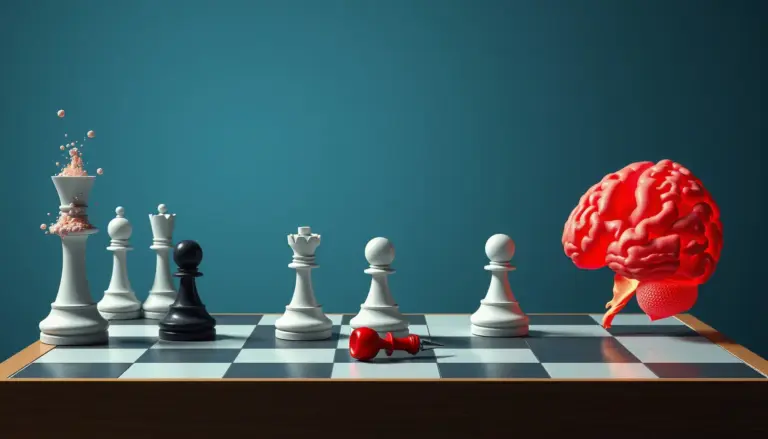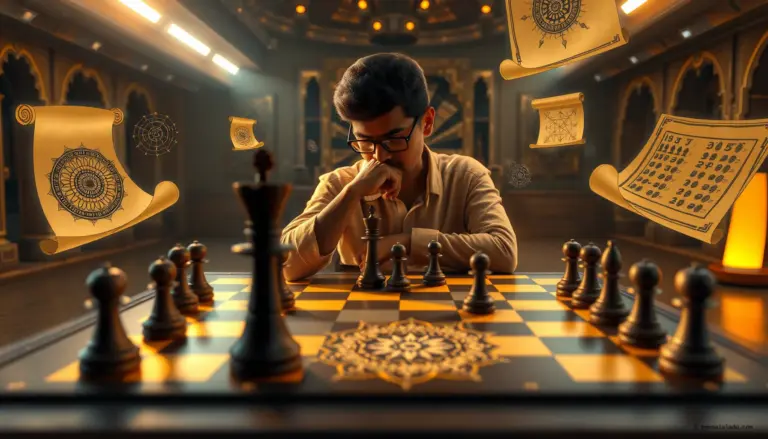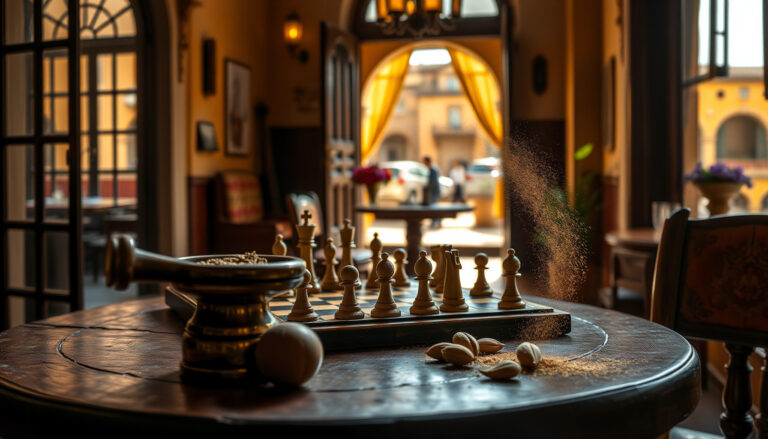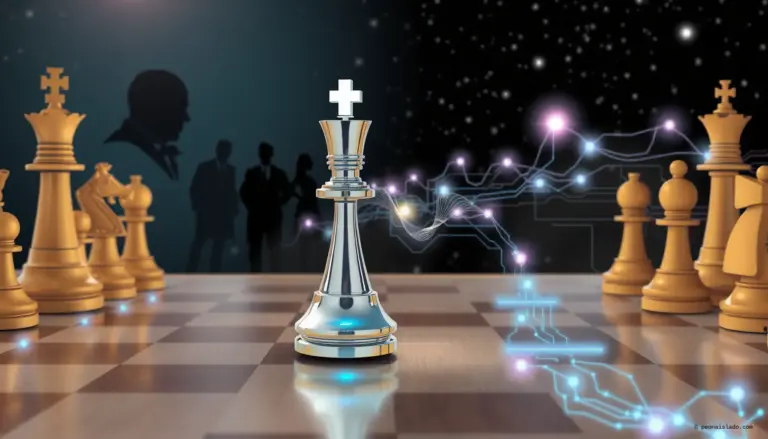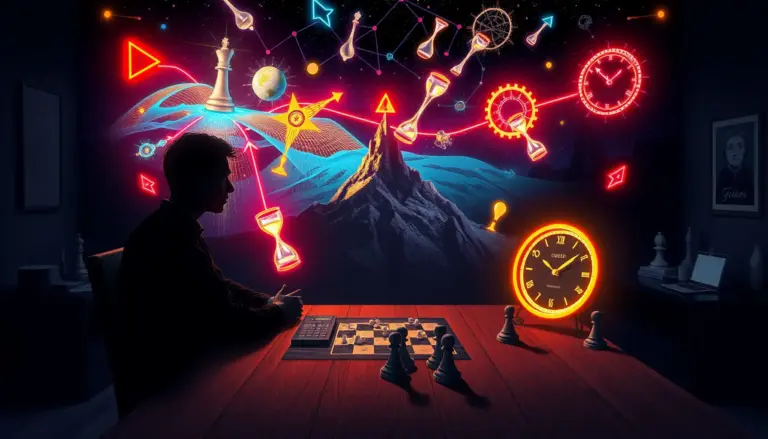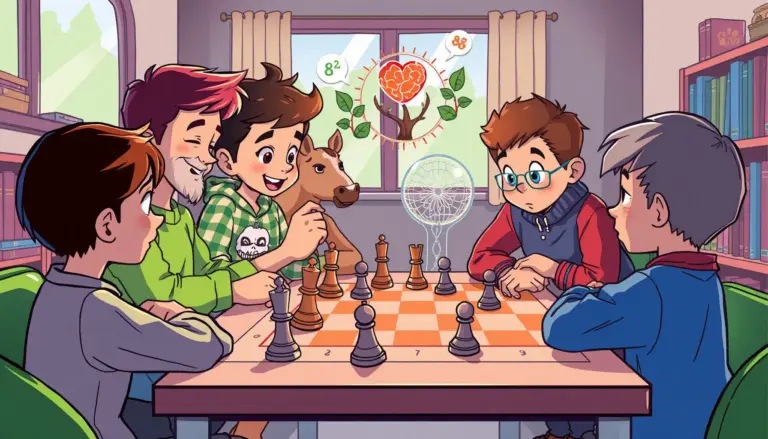
chess, more than just a strategy game, has transcended over the centuries as an inexhaustible source of inspiration for various artistic manifestations.. From painting to literature, passing through cinema and music, the board 64 boxes and their pieces have served as a metaphor for life, the conflict, intelligence and creativity. Its symmetrical structure, Its precise rules and symbolic depth make it a recurring element in art., where it is not only represented as an aesthetic object, but also as a reflection of the human condition. In this article, We will explore how chess has influenced art, analyzing its presence in different disciplines, its evolution over time and the meaning it acquires in each context. Through concrete examples and a critical approach, We will discover why this ancient game continues to captivate artists and spectators alike..
Chess as a symbol in painting and sculpture
From the Middle Ages to contemporary art, Chess has been a recurring motif in painting and sculpture, not only as a literal representation of a game, but as a symbol of power, strategy and duality. In the Renaissance, artists like Lucas van Leyden They captured chess scenes in their works, as in “The game of chess” (1508), where the board functions as a stage for social and psychological interaction. In this context, gaming is not just a hobby, but an allegory of courtly life, where each movement reflects political and personal decisions.
In the 20th century, chess took on a more abstract meaning. Artists like Marcel Duchamp, who was a passionate player, They incorporated the board into their works as a conceptual element. Your piece “Portrait of chess players” (1911) it doesn't just show a game, but explores the tension between order and chaos, between logic and intuition. Duchamp even abandoned art to dedicate himself to professional chess, demonstrating how play could be a form of expression in itself.
in the sculpture, Chess has been used to explore topics such as war and peace. Works like “The chess of peace” of Manfred Kielnhofer They use the pieces as metaphors for diplomacy, where every move can mean the difference between conflict and harmony. These representations not only beautify the game, but they elevate it to a philosophical level, inviting the viewer to reflect on their own role in the “game” of life.
Chess in literature: metaphors of existence
Literature has found a powerful narrative resource in chess, capable of condensing human conflicts into a structure of rules and movements. One of the most emblematic examples is “The chess player” of Stefan Zweig, where the game becomes a symbol of resistance to oppression. the novel, written in the context of World War II, uses a chess game between a prisoner and a world champion to explore themes such as freedom, madness and survival. The board transforms into a microcosm where each play is a battle for dignity.
in poetry, chess has served to reflect on time and destiny. Authors like Jorge Luis Borges They have used the game as a metaphor for the universe, where the pieces are human beings and movements, the designs of an inexorable destiny. in his poem “Chess”, Borges writes: “God moves the player, and this one, the piece. / What god behind God the plot begins?”. Here, chess is not just a game, but an allegory of existence, where every decision is conditioned by higher forces.
Even in science fiction, chess has been a recurring theme. Works like “The chess of the gods” of Fritz Leiber explore the idea of a cosmic game, where the pieces are planets and the players, divine entities. This vision expands the scope of chess, making it a symbol of the struggle between order and chaos in the universe.
Cinema and chess: dramatic tension on the board
Cinema has used chess as a visual and narrative resource to generate tension, intelligence and conflict. One of the most iconic films in this sense is “The seventh seal” (1957) of Ingmar Bergman, where Death plays a game of chess with a medieval knight. The board becomes a metaphysical stage, where each movement represents a fight between life and death. The scene, loaded with symbolism, It has been recorded in popular culture as one of the most profound representations of chess in art..
In contemporary cinema, Chess remains a key element in developing complex characters. movies like “In search of Bobby Fischer” (1993) They explore the psychology of players, showing how play can be both a tool for self-improvement and a source of obsession. On the other hand, “The Queen of Katwe” (2016) uses chess as a means of empowerment, where a young woman in Uganda finds in gambling a way to escape poverty and transform her life.
Chess has also been used in spy films and thrillers., where games become battles of wits. In “From Russia with love” (1963), James Bond plays a game against a villain, using the board as a psychological battlefield. These scenes not only add suspense, but they also reinforce the idea of chess as a game of strategy and cunning, where intelligence is as important as strength.
Chess in music and performing arts
Music has found in chess a source of rhythmic and structural inspiration. Composers like Sergei Prokofiev have created works based on the game, like your Symphony no 2, where the tension between the pieces translates into a sonorous struggle between melodies and dissonances. in jazz, musicians like Charles Mingus have used chess as a metaphor for improvisation, where each note is a movement in a game of creativity and risk.
In the performing arts, Chess has been represented in operas and ballets. “chess” (1984), a musical of Benny Andersson y Björn Ulvaeus (ABBA members), tells a story of love and political conflict set in a chess tournament. The work uses the game as a backdrop to explore themes such as the Cold War and rivalry between blocs., demonstrating how chess can be a vehicle for telling complex stories.
Even in experimental theater, Chess has been used as a tool for interaction with the public. Works like “human chess”, where the actors represent the pieces and the audience decides the movements, transform the game into a collective experience. These types of proposals not only break the fourth wall, but also invite us to reflect on the role of the viewer in art and life..
Conclusions: chess as a mirror of art and humanity
Chess has proven to be much more than a game: It is a universal language that has permeated art in all its forms.. through painting, to literature, cinema and music, the board and its pieces have served as metaphors for existence, reflecting the conflicts, the decisions and emotions that define the human experience. From medieval allegories to contemporary explorations, chess has evolved alongside art, adapting to cultural and technological changes without losing its symbolic essence.
The fascinating thing about chess in art is its ability to be, at the same time, a concrete object and an abstraction. Can represent a real game between two players, but it can also symbolize the fight between good and evil, order and chaos, or even the relationship between the human being and the divine. This duality makes it an inexhaustible resource for artists., who find in it a tool to explore the deepest questions about life.
In an increasingly complex world, where decisions have global consequences, chess remains a reminder that strategy, patience and creativity are essential. The art, by incorporating this ancient game, not only embellishes it, but also preserves it as a cultural legacy. So, chess and art feed each other, creating an eternal dialogue that invites viewers to play, reflect and, above all, to imagine.