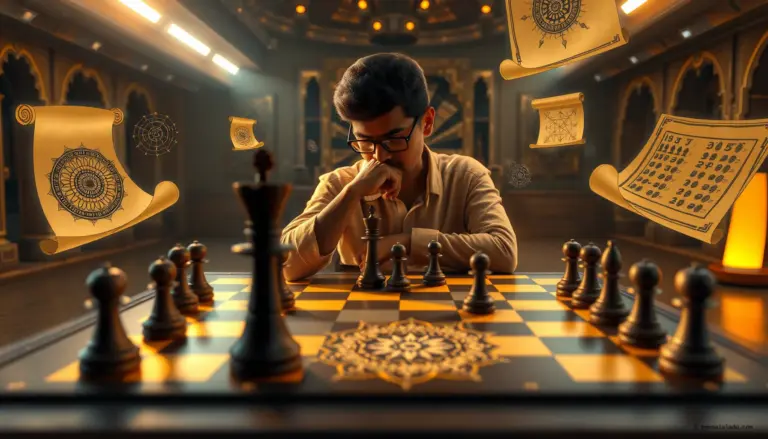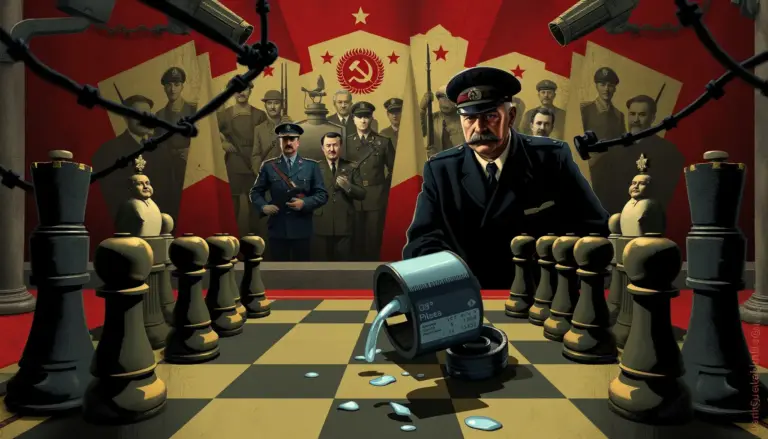
Chess is a mental sport that not only develops cognitive skills, but also values such as patience, discipline and resilience. However, many parents of young chess players make mistakes that, without realizing it, They can limit your child's progress or even cause frustration. From excessive pressure to a lack of understanding of the game, These errors are more common than you think and can affect both the child's performance and motivation..
In this article, We will explore the most frequent mistakes that parents of chess players make., analyzing how they impact player development and offering alternatives to foster a healthy and productive environment. The objective is not to point blame, but to provide tools so that parental support is a positive factor in the chess career of the little ones.
Excessive pressure: when support turns into stress
One of the most recurring mistakes is confusing support with pressure.. many parents, with the best intention, They demand immediate results or compare their children to other players, without considering that chess is a long and complex learning process. This attitude can generate anxiety in the child, leading him to associate the game with frustration instead of enjoyment.
The pressure doesn't just come from expectations, but also from the overload of activities. Some parents enter their children in multiple tournaments, private classes and training sessions without giving them time to assimilate what they have learned. Chess requires reflection and mental rest, and saturating the child with skills can be counterproductive. Instead of forcing the pace, It is more effective to set realistic goals and celebrate small progress, such as improvement in decision making or the ability to concentrate.
Besides, It is essential to differentiate between the role of the father and that of the coach. While the second focuses on technique and strategy, the first must prioritize the emotional well-being of the child. A common mistake is to constantly correct your child's movements during a game., which can undermine your confidence and autonomy. instead, The ideal is to encourage an open dialogue after the game, asking what you learned or what you would like to improve, instead of just pointing out the errors.
Ignore the emotional aspect of chess
Chess is not just a game of logic; It is also a psychological battle. Many parents underestimate the emotional impact that defeats or mistakes have on their children., especially at early ages. A negative reaction to a loss, like minimizing his effort or blaming him for “not trying hard enough”, can generate insecurity and fear of making mistakes, two deadly enemies on the board.
Emotional management is a key skill in chess, and parents can help develop it. Instead of focusing solely on the result, It is important to validate the process. For example, after a defeat, You can highlight how the child remained calm in a difficult position or how he identified a mistake that he did not see before.. This reinforces their self-esteem and teaches them to see setbacks as learning opportunities..
Another emotional aspect that is often overlooked is socialization.. Chess is an individual sport, but it is also played in community. Some parents prevent their children from participating in tournaments for fear that they will lose or become frustrated., depriving them of valuable experiences. Interaction with other players, respect for the rules and sportsmanship are lessons that go beyond the board. Allow the child to live these experiences, even with its ups and downs, It is essential for your integral growth.
Lack of balance between chess and other areas of life
In search of creating a champion, some parents neglect other fundamental aspects of child development, like free play, physical sport or social relationships. chess, although beneficial, It should not become the only activity in a child's life. The obsession with performance can lead to an imbalance that, long term, affect your mental and physical health.
A common mistake is prioritizing chess over school or friendships.. While it is true that the game can improve academic skills such as concentration or critical thinking, It should not be at the cost of neglecting other responsibilities. Parents Should Set Clear Limits, such as study schedules and free time, so that the child does not feel that chess is another obligation, but an activity that you enjoy.
Besides, It is important to encourage diversity of interests. A child who only thinks about chess may develop a limited view of the world, while exploring other activities, like art, music or sports, enriches your creativity and your ability to solve problems from different perspectives. Chess is a powerful tool, but it shouldn't be the only one in the child's toolbox.
Not adapting to the child's learning pace
Each child has a different learning pace, and chess is no exception. Some parents make the mistake of imposing an accelerated pace, without considering that your child may need more time to assimilate concepts or develop certain skills. This can cause frustration in the child., who may feel that they do not live up to expectations.
A clear example is the premature introduction to complex openings or advanced tactics.. many parents, eager to see rapid progress, They enroll their children in high-level classes or require them to memorize variants without having consolidated the fundamentals. This is not only ineffective, but it can overwhelm the child and cause him to lose interest in the game. The ideal is to follow a logical progression, starting with basic concepts like the movement of pieces, relative value and openness principles, before delving into more complex topics.
Another key aspect is respecting the interests of the child. Some children enjoy the creative part of chess more, such as problem composition or positional play, while others prefer the thrill of tactical attacks. Forcing a play style that doesn't fit your personality can be counterproductive. Parents should be attentive to their children's preferences and support them in developing their own style., instead of imposing a default one.
Conclusions: conscious support for a bright future
The role of parents in the development of a young chess player is as crucial as it is delicate. The errors discussed in this article—excessive pressure, lack of attention to the emotional aspect, the imbalance in activities and the imposition of an inadequate learning pace—are not irreparable failures, but opportunities to reflect and adjust focus. The goal is not to breed a champion at all costs, but to accompany the child on a journey of personal growth, where chess is a learning tool and not a source of stress.
To achieve, It is essential to adopt a balanced perspective. Celebrate progress, no matter how small they are, and normalizing errors as part of the process are attitudes that strengthen the child's confidence.. Besides, Promoting an environment where chess is lived with passion and not as an obligation guarantees that interest in the game lasts over time. Parents should remember that their role is not that of a coach., but that of a guide who supports, motivates and, above all, listen.
Finally, chess is a reflection of life: teaches planning, to adapt to changes and to get up after a fall. If parents manage to transmit these lessons with patience and empathy, not only will they be training better chess players, but also more resilient and self-confident people. True success is not measured in trophies, but in the love of the game and the personal growth that it provides.