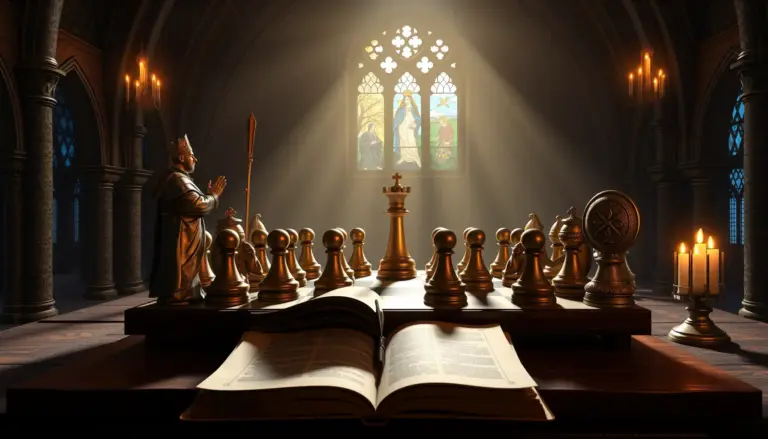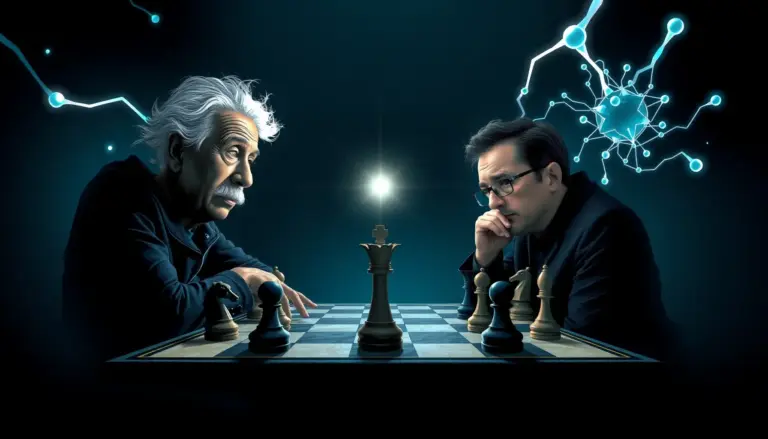
Chess is much more than just a board game.. Since its invention more than fifteen hundred years ago, has been considered a reflection of the strategy, patience and human intelligence. But, Can chess really influence our daily lives beyond the board? Many studies and personal experiences suggest that yes. This article explores how the skills developed while playing chess can be transferred to everyday situations., improving our decision-making capacity, time management, emotional control and problem solving. It's not just about moving pieces, but about understanding how structured thinking and anticipation can become powerful tools to face real-life challenges..
Chess as mental training
The human brain is a fascinating organ that, just like a muscle, gets stronger with exercise. Chess acts as a mental gym, demanding concentration, constant memory and analysis. Each game forces the player to evaluate multiple variables in real time: the position of the pieces, the opponent's possible moves and the short and long-term consequences of each move. This repetitive practice not only improves cognitive ability, but also trains the brain to process information more efficiently.
Neuroscientific studies have shown that chess players develop a greater density of gray matter in areas of the brain related to planning and decision making., like the prefrontal cortex. Besides, chess encourages neuroplasticidad, that is to say, the brain's ability to reorganize and adapt to new situations. This translates into a more agile and flexible mind., able to address complex problems in everyday life, from planning a work project to organizing personal finances.
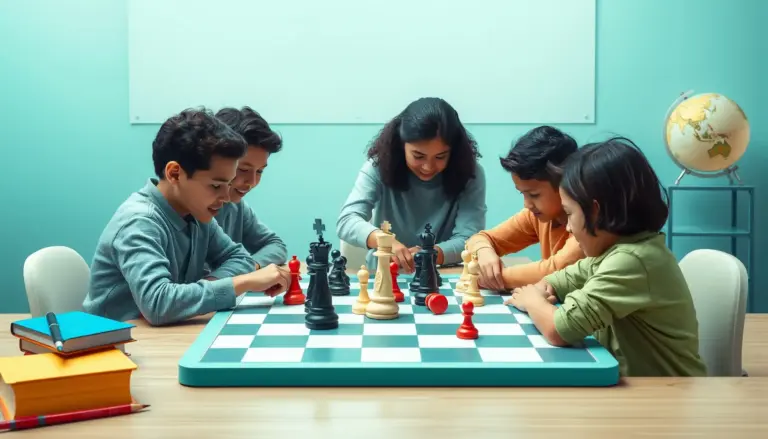
But chess not only benefits individuals.. In educational environments, Its inclusion in school programs has shown promising results. Children who learn to play chess develop significant improvements in their academic performance, especially in mathematics and reading comprehension. This is because the game teaches you to think logically and sequentially., essential skills for learning.
Decision making under pressure
One of the most valuable lessons that chess teaches is the ability to make decisions under pressure.. In a game, every move can be crucial, and indecision or fear of making mistakes can lead to defeat. This dynamic resembles many real-life situations., like a labor negotiation, a family emergency or even a career choice.
Chess forces the player to evaluate risks and rewards objectively. For example, Sacrificing a piece to gain positional advantage later is a common strategy that requires long-term vision. This skill translates directly into daily life.: Is it worth investing time and resources in a risky project? Or is it better to opt for a safer but less profitable option? Chess trains the mind to weigh pros and cons without getting carried away by momentary emotions.
Besides, the game teaches take the consequences of the decisions. in life, like in chess, you don't always win. Learn to analyze errors, Understanding what went wrong and how to improve in the future is an invaluable skill.. This growth mindset, known as growth mindset, It is key to personal and professional development.
Time management and patience
in chess, time is a limited resource. In clock games, every second counts, and wasting it can be fatal. This time pressure teaches players to prioritize tasks and distribute your time efficiently. In daily life, where responsibilities pile up and time seems scarce, this skill is essential.
For example, at work, Knowing when to spend more time on a complex task and when to delegate or simplify is crucial to productivity. Chess also encourages strategic patience: sometimes, The best move is not the most obvious or the fastest, but the one that requires waiting for the right moment. This lesson applies in situations like investing in the stock market., where impulsiveness can lead to losses, or in personal relationships, where assertive communication and timing are key.
Another important aspect is the ability to keep calm under pressure. in chess, one mistake can trigger a chain reaction that leads to defeat. However, Experienced players learn not to be overwhelmed by setbacks and to focus on the next play. This emotional resilience is transferable to any area of life., from managing work stress to overcoming personal failures.
Problem solving and creativity
chess is, in essence, a problem solving game. Each game presents a new challenge, and there are no two identical situations. This forces the player to think creatively and to look for solutions outside the conventional. in life, This skill is invaluable., since many problems require innovative approaches.
For example, in the professional field, A team facing an obstacle can draw on the chess mentality to analyze the problem from different angles.. What resources are available? What movements (or actions) of the “opponent” (competence, mercado, etc.) must anticipate? Chess teaches break down complex problems in more manageable parts, which makes it easier to resolve.
Besides, the game encourages tactical creativity. Plays like him “gambit” (sacrifice a piece to gain a positional advantage) or the “double attack” (threaten two pieces at the same time) are examples of how chess rewards originality. in life, This creativity can manifest itself in the ability to find opportunities where others only see obstacles., whether in a business, in an artistic project or even in the resolution of personal conflicts.
Conclusion: chess as a metaphor for life
Chess is not just a game, but a metaphor for life itself. Through its rules and dynamics, teaches deep lessons that transcend the board. From mental training that strengthens cognition to the ability to make decisions under pressure, through time management and creative problem solving, Chess offers practical tools to face everyday challenges.
However, Its greatest value lies in the mindset that encourages. Chess teaches that every move has consequences, that patience and strategy usually defeat impulsiveness, and that mistakes are opportunities to learn. These lessons are universal and applicable to any area., whether personal, professional or academic.
Incorporate chess into your daily routine, either as a hobby or as a personal development tool, can be an invaluable investment. It's not about becoming a great teacher, but to adopt a more structured way of thinking, analytical and resilient. In the end, Chess not only improves our cognitive skills, but also prepares us to live more consciously, strategic and satisfactory.
So next time you sit in front of a board, remember: you are not alone playing with wooden or plastic pieces, but by training your mind to face life with greater intelligence and determination.