Chess has been a game shrouded in mystery for centuries., not only because of its strategic complexity, but also by the urban myths that surround it. Among the most persistent legends, two stand out: than chess goes crazy to those who practice it and what attracts bad luck. These beliefs, rooted in the collective imagination, have been fed by cinema, literature and even anecdotes of great masters. But, what is true in them? Are they simple superstitions or is there some scientific basis behind these myths?? To answer, It is necessary to delve into the psychology of the game, its history and its impact on culture.
Chess and madness: reality or exaggeration?
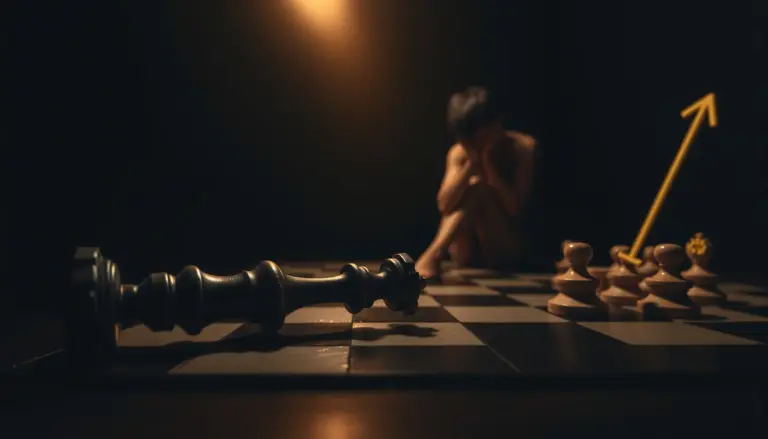
The idea that chess can lead to madness has its roots in historical cases such as that of Bobby Fischer, whose genius on the board contrasted with his mental deterioration in his final years. However, attributing his condition solely to chess is a mistake. Studies in neuroscience show that chess, far from damaging the mind, strengthens it. Regular practice improves memory, concentration and problem-solving ability, skills that are protective against cognitive disorders.
The myth is fed, in part, of the emotional intensity generated by the game. Great masters such as Wilhelm Steinitz and Paul Morphy suffered nervous breakdowns, but these were more related to competitive pressure and their obsessive personalities than to chess itself.. In fact, chess is used today as therapy in hospitals and prisons, helping patients with ADHD, autism and depression improve your mental well-being.
The key is in balance. chess, like any intellectual activity, can become addictive if practiced compulsively, but it is not the direct cause of madness. The obsession with memorizing openings or analyzing games for hours without rest can generate stress, but this is more a problem of emotional management than of the game itself. As psychologist Vladimir Rašković points out, pioneer in therapeutic chess, the board is a mirror of the mind: if there are previous imbalances, these can be amplified, but not created.
Bad luck in chess: superstitions and rituals
The belief that chess attracts bad luck is even more widespread. It manifests itself in rituals such as wearing the same clothes in tournaments, avoid certain boards or even attribute defeats to “negative energies”. Great teachers like Mikhail Tal or Anatoly Karpov had their own superstitions, but these were more psychological strategies for managing pressure than actual beliefs in the supernatural..
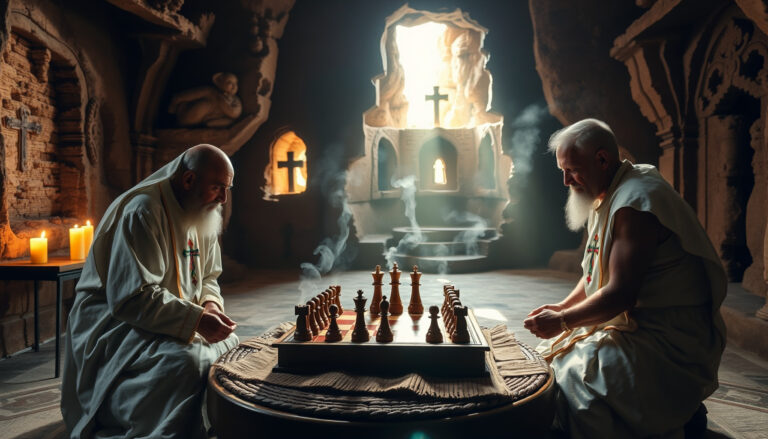
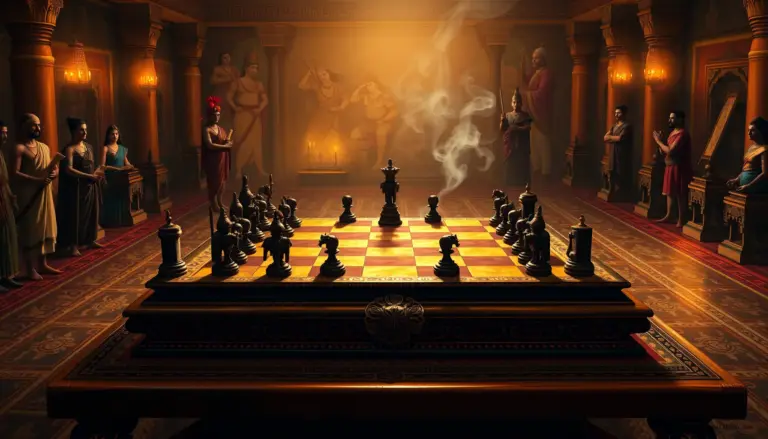
The origin of this myth can be traced back to ancient times., when chess was seen as a game of divine or demonic origin. In medieval Europe, The Church banned it on several occasions, considering it a sinful distraction or even a symbol of witchcraft.. However, This perception changed over time., and today chess is valued as an educational and cultural tool. Even in cultures like Persian or Indian, the game had a sacred character, as explored in the article on sacred chess.
The “bad luck” in chess it is usually, In fact, an excuse to justify mistakes. In a game where every move is a conscious decision, Attributing the result to luck is to underestimate human capacity. As the great teacher Emanuel Lasker said: “in chess, like in life, Luck favors those who are prepared”.
Chess in the cinema: between myth and reality
Cinema has been a great amplifier of these myths. movies like The seventh seal o Searching for Bobby Fischer They present chess as an obsessive game, almost mystical, where players are condemned to a life of loneliness and madness. However, These representations are often exaggerated. Actually, Chess is a social game that encourages human connection, as seen in initiatives of street chess, where entire communities come together to play and learn.
A paradigmatic case is The Queen’s Gambit, the Netflix series that revitalized interest in chess in 2020. Although it portrays the rise of a prodigy with addiction problems, It also shows how play can be a means of personal improvement.. The series, based on real events, reflects the duality of chess: a game that requires discipline but that, at the same time, can be a source of creativity and freedom.
Chess as a mirror of the mind
More than a game, chess is a reflection of the human psyche. Every game is a battle of ideas, where logic and intuition clash. Myths about madness and bad luck arise from the lack of understanding of this depth.. Chess does not drive its players crazy, but it does reveal your fears, obsessions and strengths. As the philosopher Emil Cioran wrote: “Chess is the only human activity where error is irreversible, and yet, That is precisely what makes it fascinating.”.
Instead of fearing, we should embrace chess as a tool to better understand our mind. Its practice not only improves cognitive skills, but also teaches valuable lessons about life: patience, resilience and the importance of thinking before acting. Far from being a game of bad luck, chess is a decision game, where every move counts and every mistake is an opportunity to learn.
Conclusion: beyond the myths
Urban myths about chess are a reminder of how society projects its fears into the unknown. However, Scientific evidence and the history of the game show that these beliefs are unfounded. Chess does not drive those who practice it crazy, nor does it attract bad luck: It is a game that challenges the mind, unites cultures and, in many cases, transforms lives. From its therapeutic use in hospitals to its role as an educational tool, chess remains a symbol of intelligence and creativity.
Instead of perpetuating myths, It's time to recognize chess for what it really is: an ancient game that, far from dangerous, It is one of the most enriching activities that exist. As Grandmaster Garry Kasparov said: “Chess is the gymnastics of the mind”. and an exercised mind, like a muscle, It only gets stronger with use..