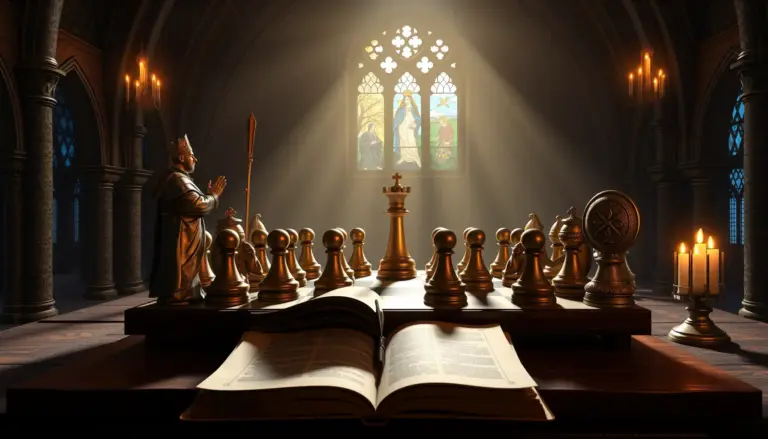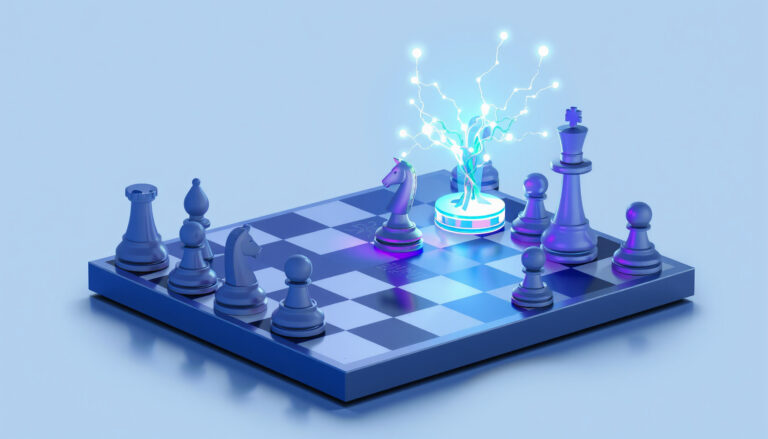
Imagine a scenario where the strategic silence of chess is intertwined with the vibrant harmony of an orchestra, where every move on the board resonates like a musical note and every checkmate becomes a perfect chord. This is not a poetic metaphor, but the essence of festivals that fuse chess and music, creating sensory experiences that challenge the traditional boundaries of both worlds. In these spaces, the ancient game and sound art come together to offer something more than a game or a concert: an immersion in creativity, strategy and pure emotion. How do these events transform two apparently different disciplines into a single experience?? The answer lies at the intersection between the logic of the board and the expressiveness of the music., where each element enhances the other.
Chess and music: two universal languages in dialogue
Chess and music share a fundamental characteristic: both are universal languages that transcend cultures, languages and times. While chess is structured in mathematical rules and logical strategies, music is based on rhythms, melodies and emotions. However, at its core, both require deep concentration, creativity and the ability to anticipate patterns. This connection is not new. Great teachers like Bobby Fischer o Vladimir Kramnik They have openly recognized their passion for music, and composers like Sergei Prokofiev have found inspiration in the game. But, What happens when these two worlds merge in a festival?
In events like the Chess & Music Festival from Berlin or Córdoba International Chess and Music Festival, the synergy is palpable. The games take place to the rhythm of classic or contemporary compositions, where music not only sets the game, but also influences decision making. For example, at the Córdoba festival, Experiments have been carried out where players must adapt their strategy according to the tempo of the musical piece playing in the background. A study cited in chess and mathematics suggests that music with a constant rhythm improves concentration, while more complex melodies can stimulate creativity in unconventional openings. This fusion not only enriches the player experience, but also attracts a broader audience, from music lovers to chess fans looking for something more than a traditional competition.
Festivals that redefine the chess experience
One of the most notable examples of this fusion is the Chess & Jazz Festival from New Orleans, where chess is played to the rhythm of jazz. This event, which is celebrated annually in the historic French Quarter, not only attracts great teachers, but also local musicians who improvise while the players analyze their movements. The improvisation, in both jazz and chess, is key: in both cases, a combination of technique is required, intuition and adaptability. As pointed out in an article about chess and lateral thinking, The ability to innovate under pressure is what distinguishes great players, and jazz, with its spontaneous nature, reinforce this skill.
Another innovative festival is the Chess & Opera Festival de Vienna, where games take place in historic theaters while arias by Mozart or Verdi are performed. Here, music not only accompanies, but also narrates the game. For example, an aggressive opening could be accompanied by a dramatic piece, while a balanced ending synchronizes with a more serene melody. This approach not only adds an emotional layer to the game, but also makes it an accessible show for those unfamiliar with the intricacies of chess.. As explored in chess in the cinema, the game has been used as a metaphor for life, power and strategy, and these festivals take that narrative one step further by integrating music as another character in the story..
The science behind fusion: how music improves chess performance
Beyond the show, There is a scientific basis that supports the benefits of combining chess and music. Neuroscience studies have shown that listening to music during activities that require concentration can improve cognitive performance. In the case of chess, This translates into a greater ability to calculate variants, anticipate opponent's movements and remain calm under pressure. An article about chess and meditation highlights how music acts as a mental anchor, similar to mindfulness techniques, helping players stay present and avoid distractions.
In it Barcelona Chess and Music Festival, Experiments have been carried out where players compete in simultaneous games while listening to different musical genres. The results are revealing: those who listened to classical music or jazz showed a 20% more precision in their movements compared to those who played silently. This is because music activates areas of the brain related to memory., planning and creativity, essential skills in chess. Besides, music can reduce cortisol levels, the stress hormone, allowing players to remain calm in critical situations, as analyzed in psychological errors in chess.
The future of festivals: technology, inclusion and new audiences
The fusion between chess and music is not limited to in-person events. With the rise of digital platforms, festivals like Chess & Music Online Festival have brought this experience to a global audience. Here, Players compete in online matches while listening to live streams of concerts or playlists curated specifically for each round. This modality not only democratizes access to these events, but also allows you to experiment with innovative formats, such as blitz chess games synchronized to electronic music or DJ sets in real time.
Besides, These festivals are breaking inclusion barriers. For example, in it Chess and Music Festival for People with Hearing Impairments from Madrid, Musical vibrations and synchronized lights are used to create an accessible sensory experience. This approach not only enriches the players' experience, but also attracts new audiences, as highlighted in adapted chess. The music, being a universal language, acts as a bridge that unites people from different cultures, ages and abilities, reinforcing the message that chess is a game for everyone.
Lessons beyond the board: how to apply this fusion in everyday life
The combination of chess and music not only offers a unique experience, but also provides valuable lessons for everyday life. First of all, teaches the importance of adaptability. Just as a chess player must adjust his strategy according to the background music., In life it is crucial to know how to pivot in the face of unexpected changes. In second place, highlights the value of creativity. The music, with its ability to evoke emotions, can inspire innovative solutions on the board, a skill transferable to any professional or personal field.
Finally, These festivals demonstrate that collaboration between seemingly different disciplines can generate extraordinary results. As explored in chess and art, The intersection between different forms of expression enriches our understanding of the world and allows us to see connections where before we only saw differences. In an increasingly specialized world, Events like these remind us that innovation arises when we dare to cross borders.
Chess and music festivals are much more than a novelty: They are a revolution in the way of experiencing two of humanity's oldest and most universal disciplines.. By fusing strategy and emotion, logic and creativity, These events not only attract new generations of players and music lovers, but also invite us to reflect on the power of collaboration and innovation. On a board where every move counts and every note resonates, chess and music become a shared language that transcends time and space. Are you ready to immerse yourself in this sensory experience?