
Comprehensive preparation for chess tournaments: complete guide
Learn to prepare a chess tournament comprehensively: personalized plan, openings, Mental management and post-game analysis to maximize your performance.
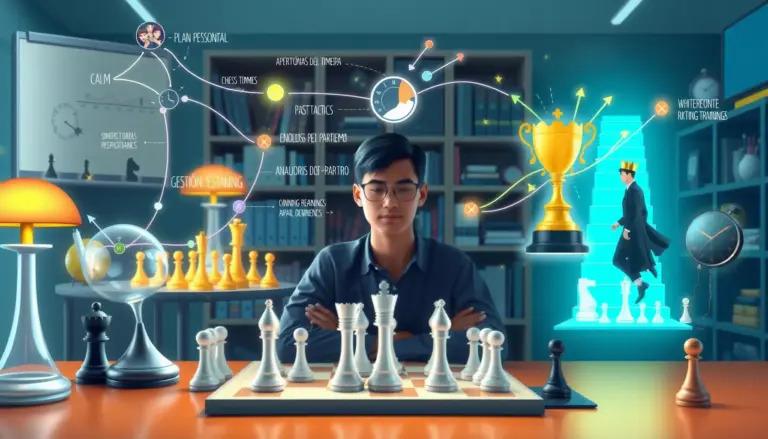
Learn to prepare a chess tournament comprehensively: personalized plan, openings, Mental management and post-game analysis to maximize your performance.
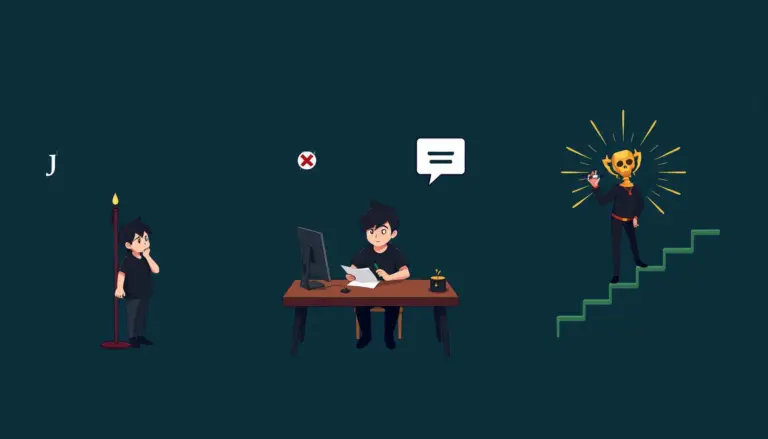
Learn to manage frustration, analyze mistakes and regain confidence after a negative streak in competitive or casual games.
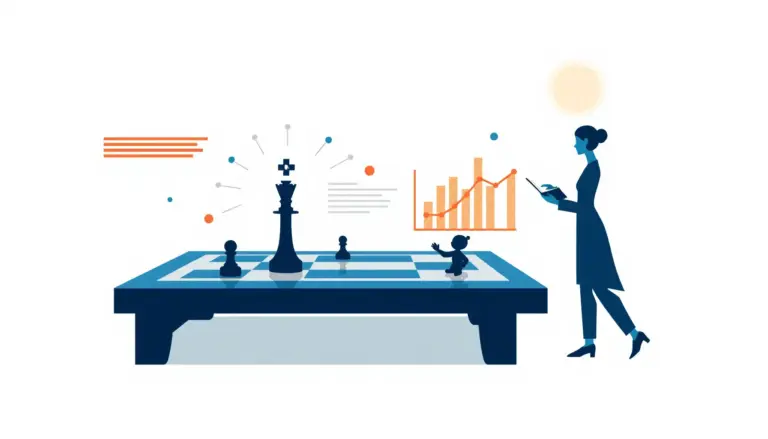
Learn to analyze your chess games, video games or sports with a structured method to identify errors, understand decisions and accelerate your progress.
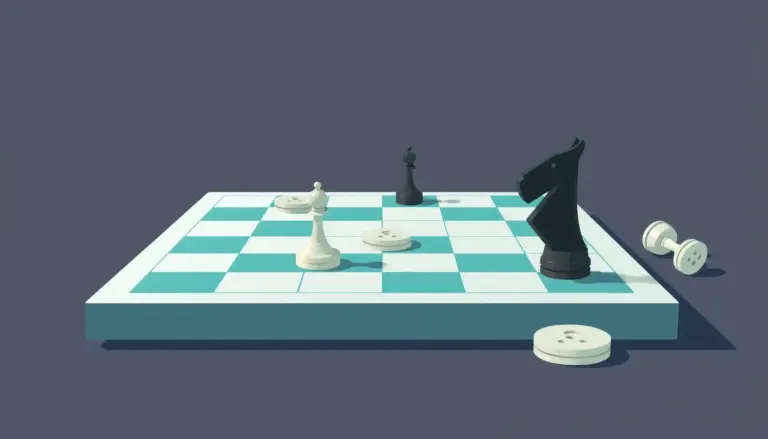
Discover the most frequent mistakes when learning chess, from ignoring fundamentals to not analyzing games, and learn how to correct them to improve your game.
Chess is an ancient game that combines strategy, tactics and creativity. However, Not all books on this mental sport are equally valuable. Many promise to improve your game, but only a few manage to transmit deep knowledge clearly and effectively. Choosing the right books can make the difference between learning…

Discover the chess books that are worth it, from classics like My System to modern works with a practical approach. Learn to choose according to your level and objectives.
Learn how to optimize short sessions, use digital tools and prioritize tactics, openings and endings to progress in chess without investing hours.
Learn to structure an effective routine to progress in chess, from tactics and theory to game analysis and mentality.
Discover which chess piece reflects your personality: rey, reina, horse or pawn. Analyze your strengths and areas for improvement with this game-based psychological test.
We explore whether white pieces have a real advantage in chess or whether black can equalize the game with strategy, psychology and history.

Explore how chess can be a learning tool, art or meditation, beyond the competition. Discover its benefits and challenges.
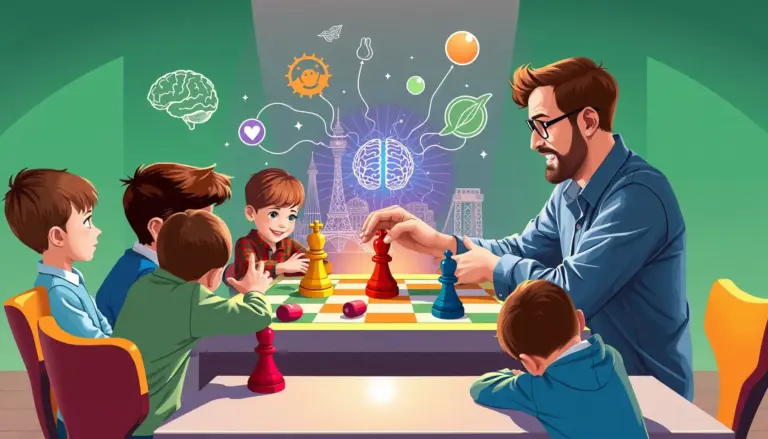
Discover how a children's chess coach transforms learning into a pedagogical experience that promotes cognitive skills, emotions and values such as patience and resilience in children.
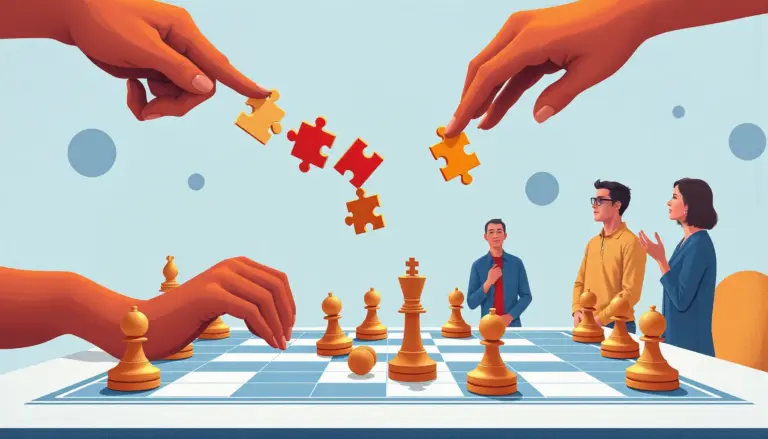
Discover how chess encourages communication, emotional management and teamwork, becoming a school of life to connect with others.
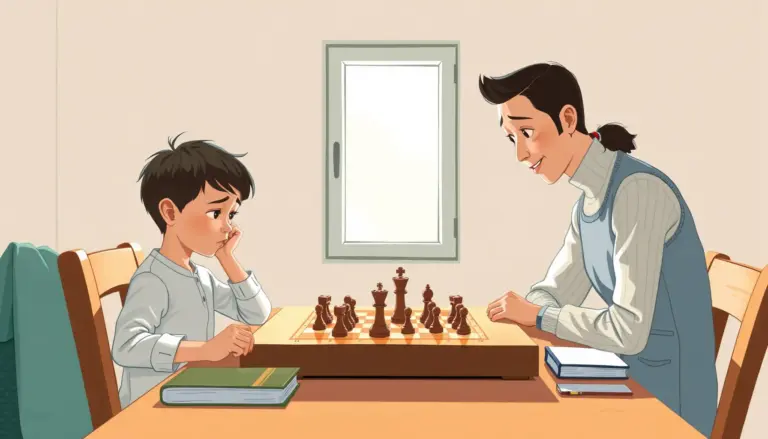
Find out why children abandon chess, how to differentiate a whim from a real disinterest and strategies to reconnect them with the game or say goodbye without frustrations.
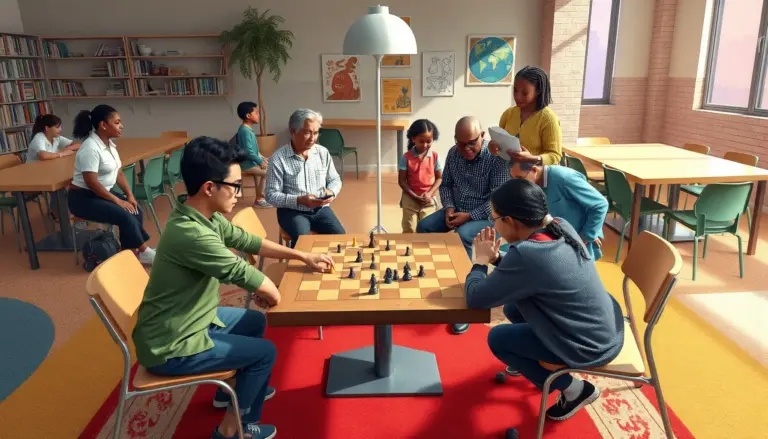
Discover how chess becomes a tool for social inclusion, adapting to disabilities, vulnerabilities and cultural differences to promote equal opportunities.
Discover how chess improves academic performance, encourages critical thinking and develops social-emotional skills in students.
Discover how chess improves concentration, emotional regulation and cognitive skills in children with ADHD, along with practical strategies to introduce it.

Discover strategies to inspire children without resorting to pressure, promoting their autonomy, curiosity and intrinsic motivation with practical and emotional approaches.
Discover the common mistakes that limit the progress of young chess players and learn how to foster a healthy and motivating learning environment.
Discover the ideal age to introduce chess to children, its cognitive and emotional benefits, and effective methodologies for each stage of development.

Discover how chess is integrated into video games, from minigames to core mechanics, enriching narratives and democratizing their access in the digital age.

Discover how figures like Fischer, Kasparov and Polgár used chess to challenge norms, inspire in art, science and breaking cultural barriers.
Analysis of the cultural and economic impact of the Queen's Gambit on chess, from the increase in players to changes in their social perception and future challenges.
Analysis of how cinema represents chess: from technical failures to films that integrate it as a metaphor for strategy, conflict and psychology.