
Chess: ¿deporte or art? An ancient debate in 60 characters
We explore whether chess is a sport of mental competition or an artistic expression, analyzing its history, culture and philosophy to understand its unique duality.
We explore whether chess is a sport of mental competition or an artistic expression, analyzing its history, culture and philosophy to understand its unique duality.
We explore whether blitz and bullet affect analysis capacity in chess, its impact on players of different levels and how to balance its practice with the classic game.
We explore whether it is ethical to use AI to train models, analyzing data without consent, biases, intellectual property and the future of work.
Classical chess faces challenges from fast variants, technology and generational changes. Can it reinvent itself without losing its essence?
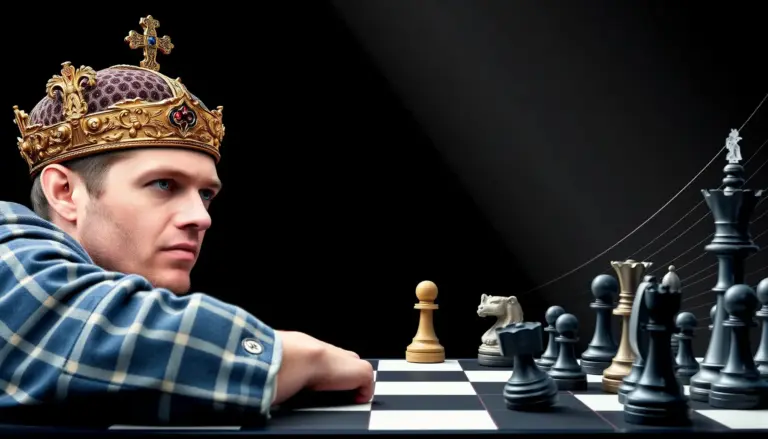
We analyze the legacy of Magnus Carlsen: their impressive numbers, pragmatic style and debate over whether he is the best of all time or a product of his era.
The rise of digital chess has brought with it an increase in the use of cheats, affecting trust and integrity of the game. Discover how these practices evolve and the measures to combat them.
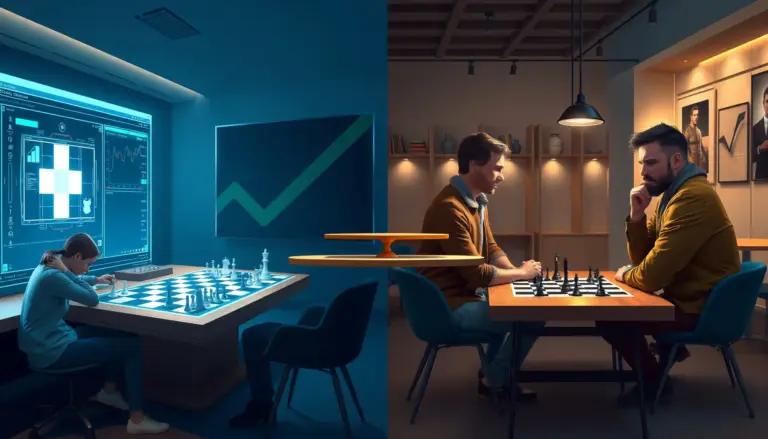
Discover how online and in-person chess impact strategy, learning and socialization to choose the modality that best suits your objectives.
Find out if the Elo system in League of Legends, Valorant and other games reflect your true level or is it just a number influenced by external factors.
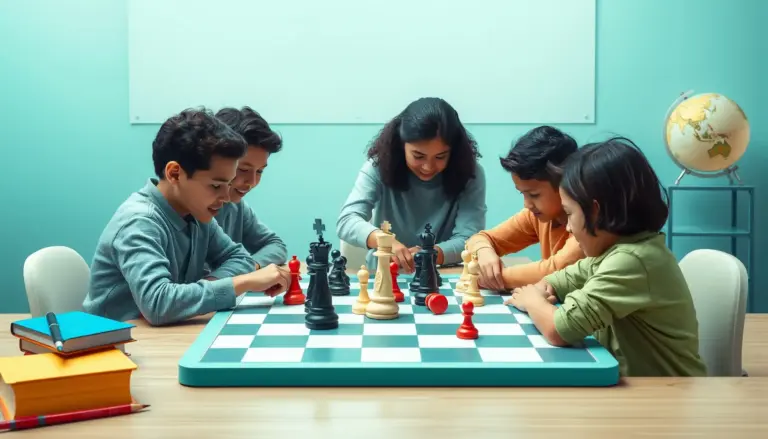
Discover how chess improves academic performance, promotes inclusion and develops cognitive and emotional skills in students.
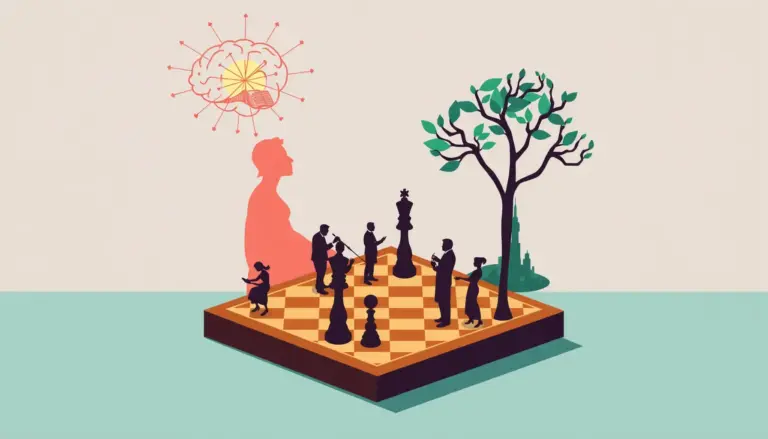
Find out if chess requires exceptional intelligence or if it is within everyone's reach with practice, discipline and creativity. We analyze myths and benefits.
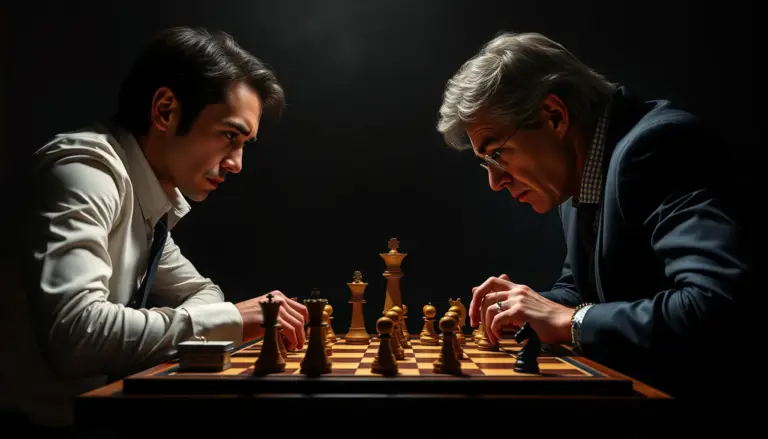
Discover how to observe gestures, patterns and reflection times to anticipate the opponent's moves and gain psychological advantage on the board.
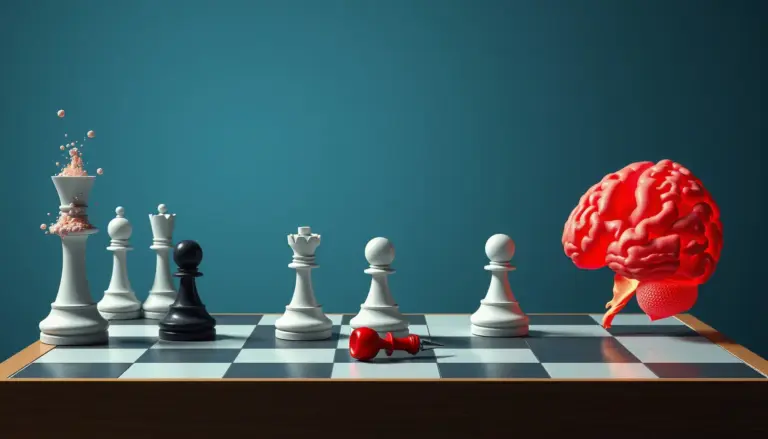
Discover how ego affects your chess performance, from overvaluation to resistance to admitting mistakes, and learn strategies to control it.
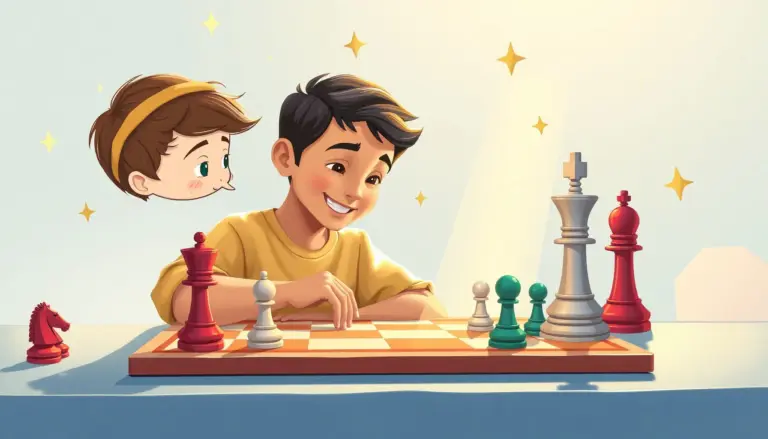
Discover how chess develops self-esteem in children, teaching resilience, logical thinking and emotional management through play.
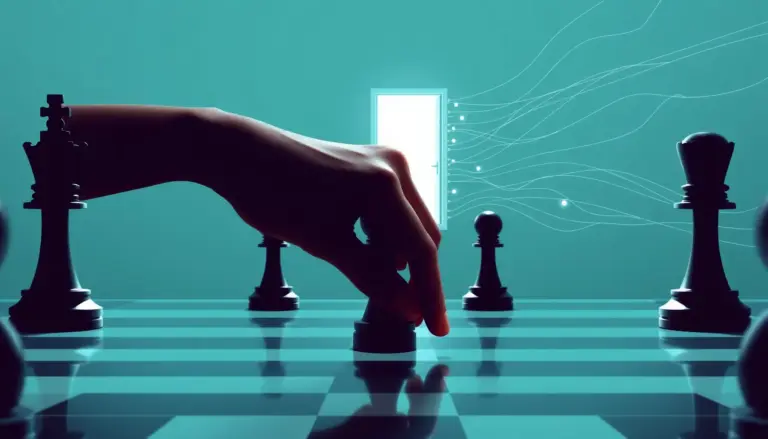
Discover the psychological roots of the fear of moving in chess, its consequences and strategies to break the blockage and make decisions with confidence.
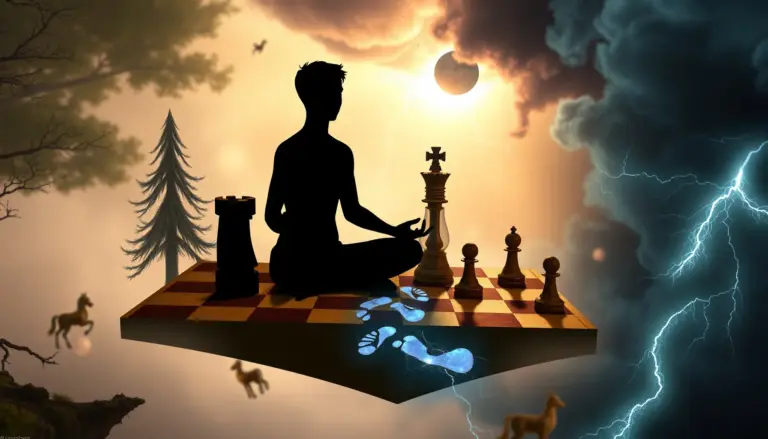
Discover how chess trains patience, resilience and emotional management, applicable to everyday challenges and decisions under pressure.
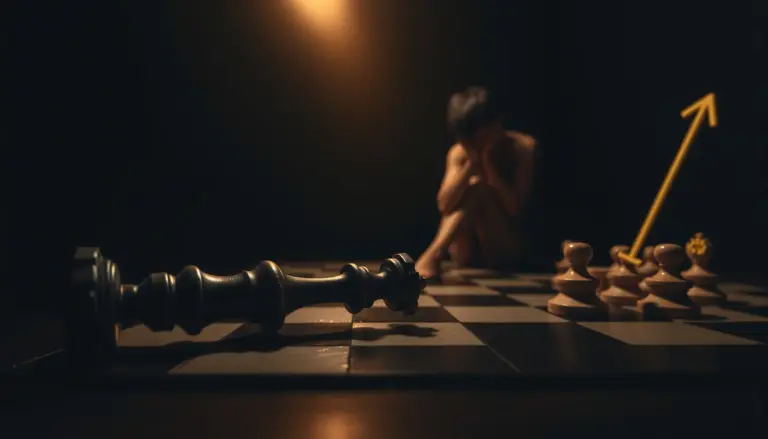
Discover why losing at chess is key to improving, analyze mistakes and develop a champion mentality. Learn from your defeats.
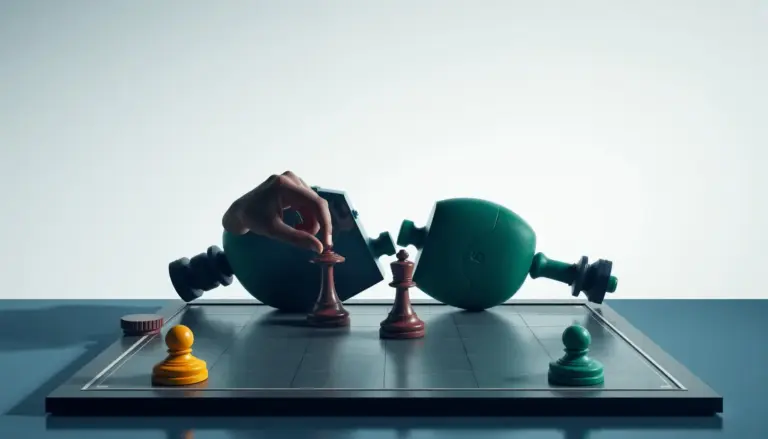
Learn why chess generates frustration, Identify emotions after a defeat and discover strategies to turn mistakes into opportunities for growth..
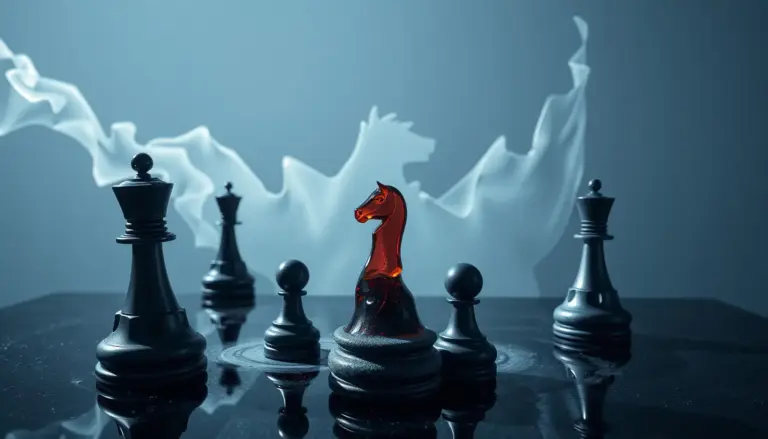
Discover how your way of playing chess reflects personality traits, decision making and cognitive biases. A psychological mirror in every movement.
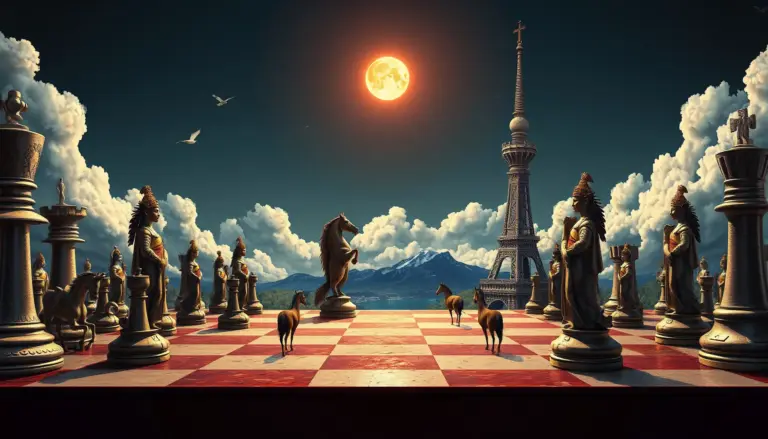
Discover the symbolism behind the king, the queen, bishops and pawns: leadership lessons, sacrifice and human psychology in chess.
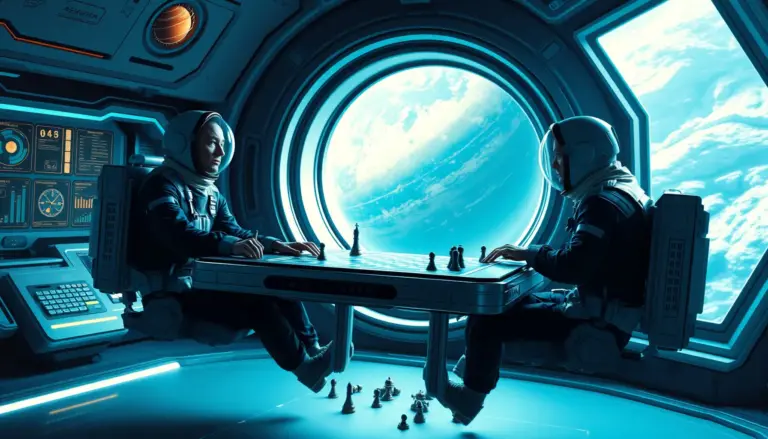
Discover how chess in space combines technology, psychology and human exploration, from historical games to the future with AI on Mars.
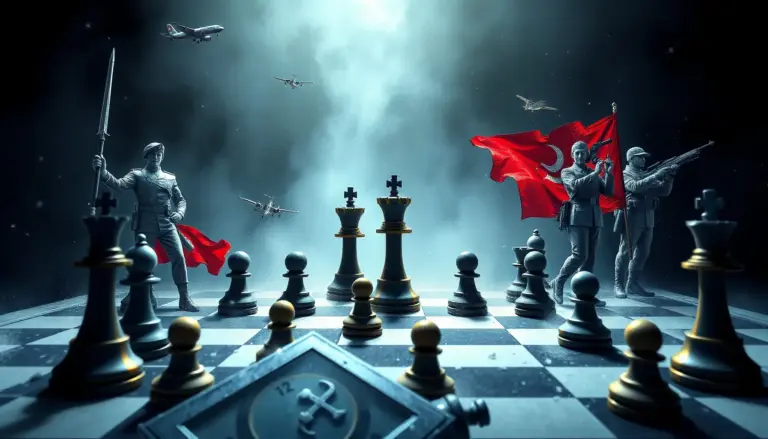
Discover how chess reflected war conflicts, from the Cold War to the world wars, as a strategy tool, propaganda and resistance.
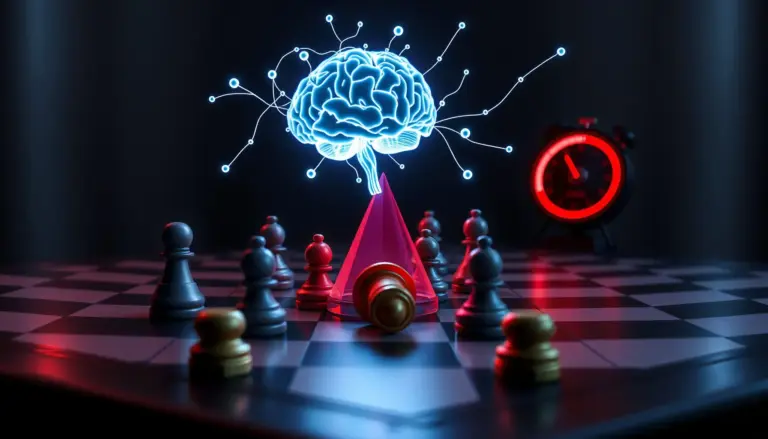
Chess activates the brain, consuming between 60 y 100 calories per hour. We analyze how they influence the strategy, stress and duration of games in energy expenditure and its comparison with physical activities.
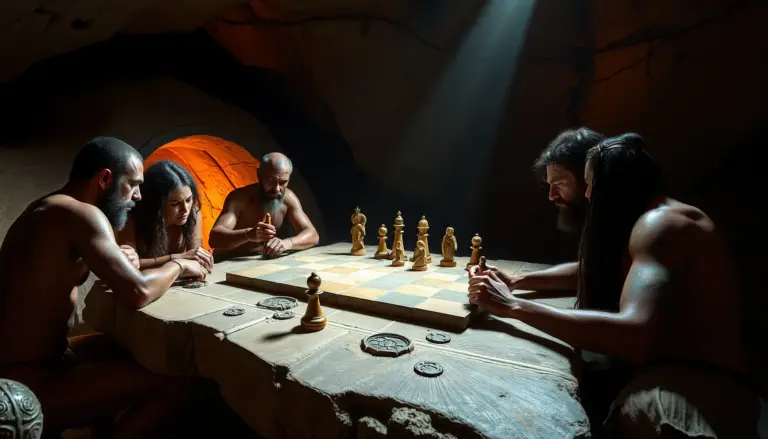
Explore how chess could have emerged in prehistoric times with stones, bones and rituals, adapting to ancestral materials and beliefs to develop strategies.
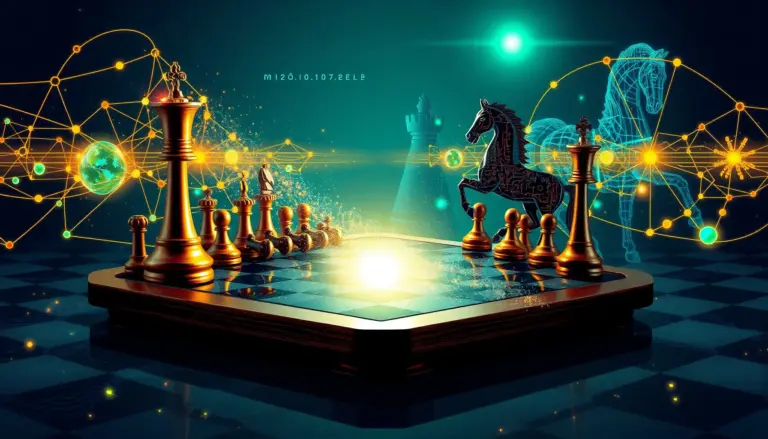
Discover how chess has influenced artificial intelligence, neuroscience and mathematics, revealing connections between logic, creativity and decision making.