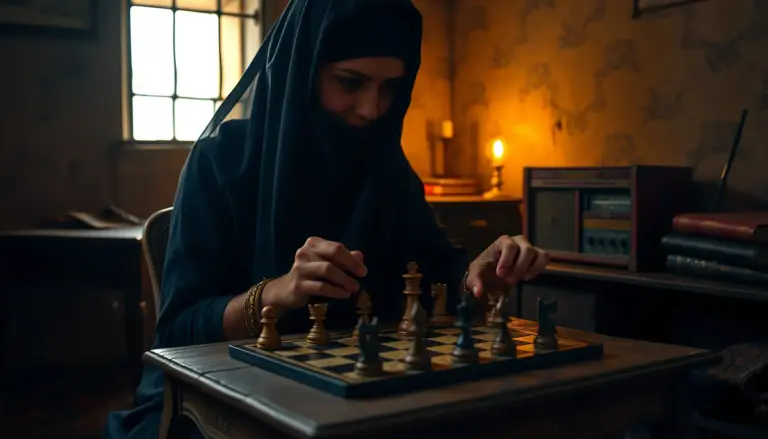
Chess is much more than a strategy game: It's a metaphor for life, a school of thought and, for many, a catalyst for personal transformation. Even if you haven't moved a single piece on the board, Its influence can be deep and lasting. From decision making to emotional management, Chess teaches lessons that transcend the game and are applied in everyday life. But, How can something so seemingly simple change the way we live?, even without actively participating in it?
In this article, we will explore how chess, beyond its rules and movements, can shape our mind, improve our cognitive skills and, above all, teach us to face life's challenges with a more strategic and reflective perspective. It's not about becoming a great teacher, but to adopt a mindset that allows us to navigate the complexity of the world with greater clarity and confidence.
The philosophy behind the board
Chess is not just a game; It is a system of thought. Each game is a microcosm where patience is tested, creativity and the ability to anticipate. Even without playing, observing games or studying their principles can reveal patterns that we apply, consciously or unconsciously, in our daily life. For example, the idea of “sacrifice” a piece to obtain a greater advantage teaches that sometimes you have to give in the short term to win in the long term. This lesson is invaluable in areas such as business, personal relationships or even time management.
Besides, chess encourages a growth mindset. Players know that every mistake is an opportunity to learn, not a definitive failure. This attitude, when internalized, Transform the way we face obstacles. Instead of giving up at the first difficulty, We begin to see problems as puzzles that require analysis and patience. This philosophy not only improves our resilience, but also makes us more adaptable in a constantly changing world.
Chess as mental training
Numerous studies have shown that chess improves cognitive skills such as memory., concentration and problem-solving ability. But its impact goes beyond academics.. When watching games or studying strategies, We exercise our mind in a similar way as we would do with physical training. The difference is that, instead of strengthening muscles, we strengthen our ability to think critically and structured.
For example, Chess teaches us to break down complex problems into more manageable parts.. In a game, a player does not think about “gain”, but in controlling the center of the board, develop your pieces or weaken your opponent's position. This ability to fragment objectives is applicable to any project., from planning a business to organizing a trip. Besides, chess forces us to consider multiple variables at the same time, which improves our ability to multitask and make decisions under pressure.
Another key aspect is improving memory. Remember openings, classic plays or tactical patterns strengthens our ability to retain information. This is not only useful in the professional field, where we often have to remember data or procedures, but also in personal life, where memory plays a crucial role in our relationships and experiences.
Emotional management and chess
One of the least discussed but most powerful aspects of chess is its ability to teach emotional management.. In a game, It's easy to get carried away with frustration after a mistake or euphoria after a brilliant play.. However, Experienced players know that uncontrolled emotions cloud judgment and lead to hasty decisions.. This lesson is directly applicable to real life, where the stress, anxiety or anger can sabotage our goals.
Chess teaches us to stay calm under pressure. When watching high level games, we notice how great teachers maintain an imperturbable composure, even in critical situations. This capacity for emotional self-regulation is an invaluable skill in work environments., where tight deadlines and high expectations can create tension. Besides, chess helps us develop patience, an increasingly scarce virtue in a world where everything seems to require immediate answers.
Another important emotional lesson is the acceptance of failure.. in chess, losing is part of the learning process. Players know that each defeat gives them valuable information to improve. This mentality contrasts with current culture, where failure is often seen as something negative. By taking a chess perspective, We begin to see mistakes as opportunities for growth., which reduces the fear of failure and allows us to take risks with greater confidence.
Chess as a tool for human connection
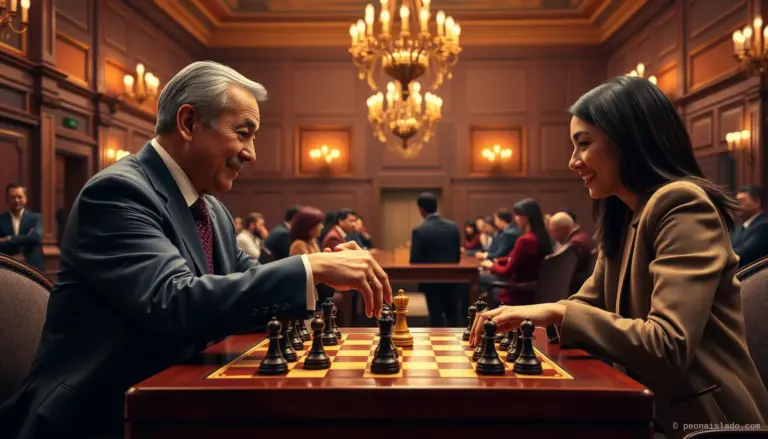
Although chess is an individual game, its practice encourages connection with others. Watch matches, Discussing strategies or even playing online puts us in contact with a global community of enthusiasts. This interaction not only enriches our experience, but also teaches us to value different perspectives. in chess, like in life, There is no single way to solve a problem.. Learning to appreciate the strategies of other players makes us more empathetic and open to dialogue.
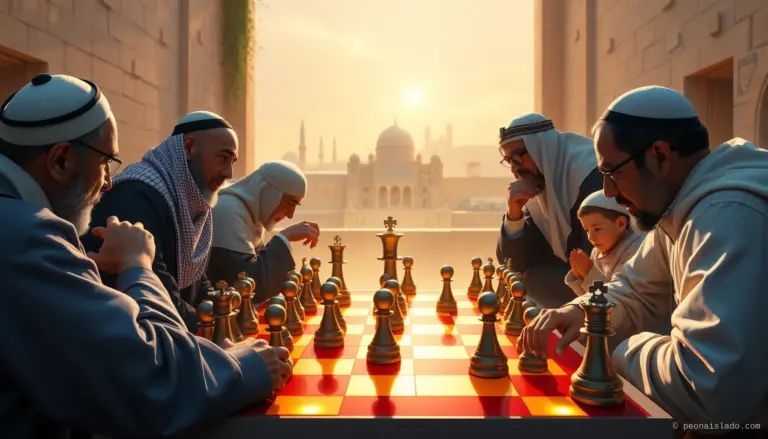
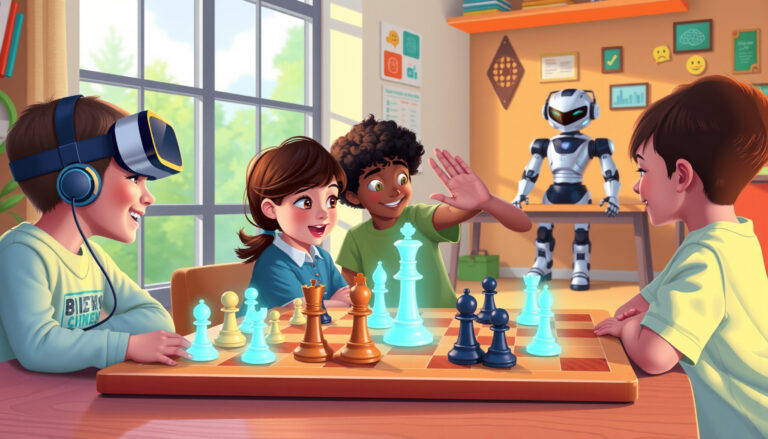
Besides, Chess can be a powerful tool to break cultural and generational barriers. It is a universal language that transcends borders, ages and socioeconomic levels. In many countries, Chess is used as an educational tool to teach children skills such as critical thinking and patience. Even in therapeutic settings, Chess is used to improve concentration and self-esteem in people with disorders such as ADHD or autism.
On a personal level, chess can strengthen relationships. Playing a game with a friend or family member is not only a fun activity, but also an opportunity to share quality time. Healthy competition and intellectual challenge create a unique bond, where both participants learn and have fun at the same time. Even without playing, Discussing games or analyzing strategies can be a way to connect with others on a deeper level..
Conclusions: chess as a lifestyle
chess, even without moving a piece, It has the power to transform our way of thinking, feel and relate to the world. It's not about mastering the game, but to adopt its principles and apply them in our daily lives. From strategic decision making to emotional management, Chess offers us a framework to face challenges with greater clarity and resilience.
By internalizing the lessons of chess, we develop a more analytical and patient mentality, allowing us to navigate the complexity of life with greater confidence. We learn to decompose problems, to remain calm under pressure and see mistakes as opportunities for growth. Besides, chess connects us with a global community of thinkers, enriching our relationships and broadening our perspective.
Ultimately, chess is not just a game, but a philosophy of life. It teaches us that, just like in a game, Every decision we make has consequences., and that the key to success is to think before acting. So, even if you have never moved a piece, I invite you to explore the world of chess. Not as a player, but as an apprentice of his eternal lessons. Why, in the end, life is the biggest board of all, and each of us has the opportunity to play a memorable game.