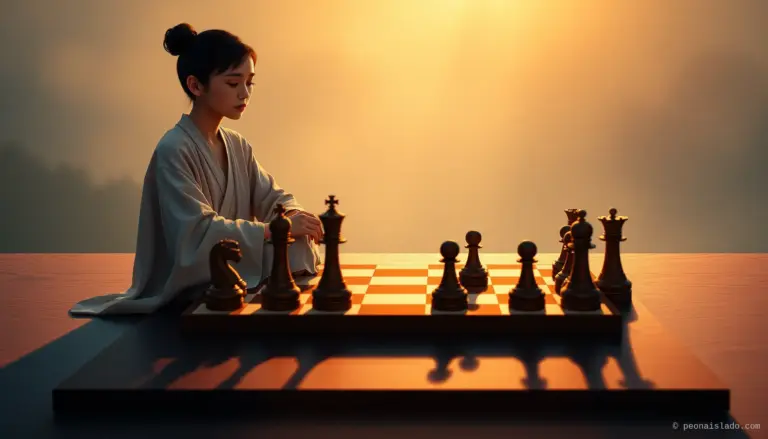
Chess is an ancient game that combines strategy, concentration and creativity. Although it does not involve obvious physical effort like running or swimming, many wonder if this mental activity can contribute to burning calories. At a glance, It might seem like chess is a sport “sedentary”, But recent studies suggest that the brain consumes a significant amount of energy during intense cognitive processes. In this article, We will explore whether chess really burns calories, how it does it and what factors influence this process. Besides, we will analyze its impact on metabolism, comparing it with other physical and mental activities, and we will discover if it can be a useful tool for those looking to maintain an active lifestyle without having to leave the board.
The brain as a metabolically active organ
The human brain, although it represents only about 2% of body weight, consumes approximately 20% of daily calories. This organ depends almost exclusively on glucose as a source of energy., and their metabolic activity increases significantly during tasks that require concentration, memory and decision making. in chess, players must analyze multiple moves, anticipate opponent's moves and maintain a high level of attention for hours. These intense cognitive processes activate brain regions such as the prefrontal cortex, the parietal lobe and the hippocampus, which increases energy consumption.
Studies performed with functional magnetic resonance imaging (fMRI) have shown that, during chess games, the brain can consume between 3 y 5 additional calories per hour compared to a resting state. This may not seem like much, but in a game of several hours, especially in high level tournaments, the accumulation of this energy expenditure is not negligible. Besides, The stress and psychological pressure that comes with competitive gaming can raise cortisol and adrenaline levels., hormones that also influence metabolism and calorie burning.
Comparison with other physical and mental activities
To better understand the impact of chess on calorie burning, it is useful to compare it with other activities. For example, a person of 70 kg burns approximately:
- 60-70 calories per hour walking at a moderate pace.
- 100-120 calories per hour swimming at a leisurely pace.
- 200-300 calories per hour running 8 km/h.
In comparison, chess burns between 60 y 100 calories per hour, depending on the intensity of the game and the player's stress level. This places it in a similar range to activities such as knitting., play a musical instrument or even drive. However, The key difference lies in the type of energy consumed. While physical activities burn calories primarily through muscle movement, chess does it through brain activity, which may have additional benefits for cognitive health.
Another interesting comparison is with other strategy games or mental activities.. For example, Playing poker or solving complex crossword puzzles can also increase calorie expenditure, but to a lesser extent than chess due to lower demand for real-time processing and decision making under pressure. This suggests that not all mental activities are equal in terms of energy consumption..
Factors that influence calorie burning in chess
Not all chess players burn the same amount of calories. Several factors can influence this process.:
- Experience level: Beginning players tend to consume more energy because their brain works harder to analyze plays and understand strategies.. Instead, chess masters, with years of practice, can make faster and more efficient decisions, reducing caloric expenditure.
- Game duration: A quick game of 15 minutes will not have the same impact as a tournament of 5 hours. The longer the playing time, the greater the mental exhaustion and, but still, calorie consumption.
- Stress level: Competitive chess can generate anxiety and pressure, which raises cortisol and adrenaline levels. These hormones speed up the metabolism, increasing calorie burning.
- Player physical conditions: A person with a higher basal metabolism will burn more calories in any activity, including chess. Besides, posture and involuntary movements (how to move your legs or adjust your position in the chair) may contribute slightly to energy expenditure.
A study published in the journal Nature found that elite chess players can lose up to 1 kg of weight during a multi-day tournament due to stress and intense brain activity. This shows that, although chess is not a physical activity in the traditional sense, its impact on metabolism should not be underestimated.
Additional health benefits of chess
Beyond burning calories, Chess offers a number of physical and mental health benefits that make it a valuable activity:
- Improves memory and concentration: Playing chess regularly strengthens neural connections, which can delay age-related cognitive decline.
- Reduces stress: Although competitive chess can cause anxiety, in a recreational setting helps relax the mind and improve mood.
- Develop problem-solving skills: The ability to analyze complex situations and make strategic decisions transfers to other aspects of daily life.
- Encourage creativity: Chess is not just logic; It also requires imagination to anticipate plays and create innovative strategies..
Besides, Chess can be a useful tool to complement an active lifestyle. For example, Combining chess games with walks or stretching exercises can boost both physical and mental health. It is also an excellent option for people with reduced mobility or those looking for alternatives to traditional sports..
Can chess be part of a weight loss plan?
Although chess is not the most effective activity for burning calories, It can be an interesting complement to a weight loss plan.. To maximize your benefits, it is recommended:
- Play long and challenging games: The more time and mental effort invested, the greater the caloric expenditure.
- Combine it with physical activity: Alternating chess sessions with cardiovascular or strength exercises can create a balance between mental and physical exhaustion.
- Control feeding: Chess doesn't burn enough calories to compensate for an unbalanced diet, so it is important to maintain healthy eating habits.
- Practice chess on the move: Some game variants, like giant chess or active chess (where players physically move to make their plays), can increase energy expenditure.
It is important to have realistic expectations. Chess will not replace a running or swimming session in terms of burning calories, but it can be a valuable activity to keep the mind active and complement a healthy lifestyle. Besides, Its accessibility makes it an attractive option for people of all ages and physical conditions..
In conclusion, chess does burn calories, although not to the same extent as traditional physical activities. Its true value lies in the combination of cognitive benefits, emotional and metabolic that offers. Although it is not the magic solution to lose weight, can be a useful tool within a comprehensive approach that includes exercise, balanced diet and healthy habits. Beyond calories, chess enriches the mind, improves concentration and encourages creativity, making it an activity worth incorporating into your daily routine. If you're looking for a way to stay mentally active while enjoying an exciting game, chess is, definitely, an excellent option.