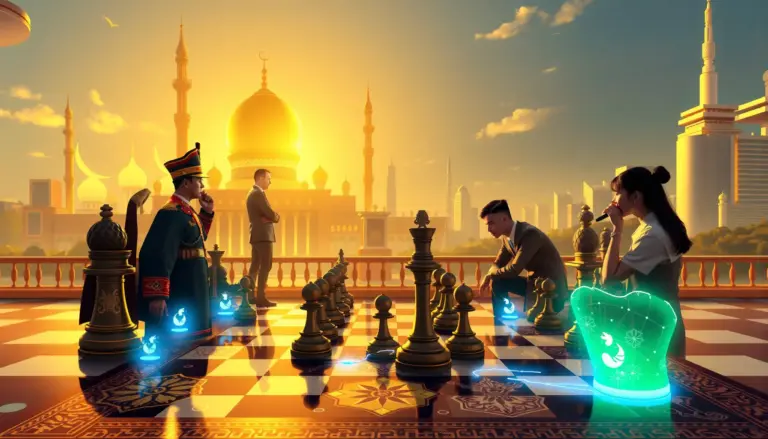
chess, that ancient game that has challenged minds from ancient India to the digital age, has found an unexpected but powerful ally on YouTube. In an era where attention is a scarce resource and information flows at dizzying speeds, The chess channels on this platform have not only democratized access to knowledge, but they have transformed the way we learn, we analyze and enjoy the game. But, What makes some channels stand out from others?? It's not just the quality of teaching, but the ability to connect with a diverse audience, from beginners to grandmasters, through engaging narratives, deep analysis and a pinch of entertainment. In this article, We will explore the best YouTube channels about chess, those who have managed to balance technical rigor, innovative pedagogy and a unique style that makes them undisputed references.
The chess revolution on YouTube: beyond the board
The rise of YouTube as a learning platform has been a global phenomenon, but in chess it has had a particularly transformative impact. Before, access to quality lessons was limited to specialized books, local clubs or, at best, expensive DVDs. Hoy, with one click, Anyone can access analysis of elite games, tutorials for beginners or even discussions about influence of artificial intelligence in chess. But not all channels manage to stand out in this saturated ecosystem.. The most successful have understood that chess is not just a game of logic, but also a human narrative, full of emotions, mistakes and moments of genius.
One of the most fascinating aspects of these channels is how they have managed to humanize chess. It's no longer just about movements and openings, but of stories: the pressure of a tournament, the frustration of a defeat or the euphoria of an unexpected checkmate. This emotional dimension is what attracts millions of viewers, even to those who do not consider themselves serious gamers. Besides, YouTube's interactivity allows creators to adapt their content to the needs of their audience, answering questions in real time or adjusting the level of complexity based on feedback. This constant feedback has created a global community of chess players learning, debate and grow together.
Deep analysis vs. entertainment: the perfect balance
In the world of chess channels on YouTube, There are two main approaches: those who prioritize technical analysis and those who seek to entertain. However, The most successful are those who manage to merge both elements. On the one hand, channels like ChessNetwork o John Bartholomew They stand out for their ability to break down complex items clearly., explaining advanced concepts like pawn structures, strategic plans or theoretical ends. These creators typically target an audience that is already at an intermediate or advanced level and looking to deepen their understanding of the game..
On the other hand, channels like GothamChess o Agadmator They have managed to combine analysis with a more dynamic and entertaining style. GothamChess, For example, uses a close and humorous tone to explain concepts, while Agadmator focuses on historical games, narrating them as if they were epics. This approach has been key to attracting a younger and more diverse audience., who may not be interested in the technical details but are interested in the emotion of the game. The question that arises is: Can a channel be both rigorous and entertaining?? The answer is a resounding yes, and the examples mentioned prove it.
A crucial aspect in this balance is the ability of creators to adapt to digital platforms. The YouTube format requires dynamism: short videos, Eye-catching thumbnails and attention-grabbing titles. But this does not mean sacrificing depth. Channels like ChessBase India have shown that it is possible to maintain a high technical level without losing sight of the demands of the algorithm. His videos often include interviews with great teachers, Live tournament coverage and detailed match analysis, all presented in an accessible and visually attractive way.
Chess pedagogy: how to teach without boring
Teaching chess is not an easy task. Requires not only a deep knowledge of the game, but also pedagogical skills to transmit abstract concepts in a clear and motivating way. The best YouTube channels have developed innovative methodologies to achieve this. For example, Chess.com (through its official channel) uses a combination of video tutorials, Interactive exercises and real-time challenges to keep viewers engaged. His approach is progressive: from the most basic, like the movement of the pieces, to advanced concepts such as prophylaxis or variant calculation.
Another channel that has stood out in this regard is St. Louis Chess Club, linked to the famous chess club in the United States. His videos usually include master classes from great teachers such as Fabiano Caruana or Hikaru Nakamura., who explain their thought processes during real games. This approach “live” allows viewers to understand not only what moves were made, but why they were made, which is invaluable in improving one's game. Besides, the club organizes online events where spectators can actively participate, either through questions or competing in simultaneous tournaments.
The pedagogy in these channels also benefits from digital tools such as analysis engines, that allow you to view alternative lines, evaluate positions or even simulate entire games. This not only enriches the learning experience, but also helps viewers develop their tactical vision, a fundamental aspect to progress in chess. However, the use of these tools must be balanced. Some channels fall into the trap of relying too much on engines, which can lead to superficial learning where the spectator memorizes movements without really understanding the ideas behind them.
The chess community on YouTube: more than spectators, players
One of the greatest achievements of chess channels on YouTube has been the creation of active and committed communities. Unlike other platforms where content is consumed passively, On YouTube, viewers don't just watch videos, but they interact with each other and with the creators. This is reflected in the comments, where it is common to find debates about openings, analysis of games or even recommendations of books and resources. Some channels, as ChessBrah, have taken this interaction one step further, hosting exclusive online tournaments for their subscribers or streaming live matches where viewers can vote on moves.
This community has also been key to breaking barriers in chess. Traditionally, the game has been perceived as elitist or reserved for geniuses, but YouTube has shown that chess is for everyone. Channels like ChessKid They focus on teaching children, using simple language and playful activities. Others, as ChessDojo, have created structured training programs that allow viewers to follow a clear study plan and measure their progress. This democratization of knowledge has been essential to attract new players and maintain the interest of those already on the path.
Besides, The YouTube community has served as a safe space to discuss sensitive topics in chess, like the gender equality or the impact of technology on the game. Channels like Anna Cramling o GothamChess have addressed these issues honestly, generating important conversations that transcend the board. In a world where chess is often associated with outdated stereotypes, These spaces are vital to modernize the perception of the game and make it more inclusive.
The future of chess on YouTube: innovation and challenges
The success of chess channels on YouTube is no coincidence. It is the result of a combination of factors: platform accessibility, the creativity of creators and the passion of a global community. However, the future poses new challenges. One of the most obvious is the saturation of the market. With so many channels competing for viewers' attention, standing out has become increasingly difficult. Creators must constantly innovate, either through new formats, collaborations with other channels or the incorporation of emerging technologies such as virtual reality or artificial intelligence.
Another challenge is maintaining the balance between entertainment and depth. In an environment where viral content often takes precedence over quality, some channels may be tempted to prioritize entertainment over teaching. However, The channels that manage to maintain this balance will be the ones that last.. An example of this is Daniel Naroditsky, who combines technical analysis with a friendly and fun style, demonstrating that it is possible to be rigorous without losing the human essence of chess.
Finally, The future of chess on YouTube will also depend on how it adapts to new generations. Platforms like TikTok are already gaining ground among young people, and some chess channels have begun to explore this format with short and dynamic videos. However, YouTube is still the king when it comes to long-form content, and its ability to host both tutorials and live streams makes it an invaluable tool for learning. The key will be how the creators manage to integrate these new trends without losing sight of what makes chess unique.: its ability to challenge the mind and connect people.
In conclusion, Chess channels on YouTube have revolutionized the way we learn and enjoy the game. They have broken barriers, created communities and shown that chess is much more than a hobby: It is a tool for personal development, a universal language and, above all, an inexhaustible source of inspiration. Whether you are looking to improve your game, understand the minds of great masters or simply enjoy a good game, YouTube has something for you. The board is ready, the pieces in position, and the next move is yours.