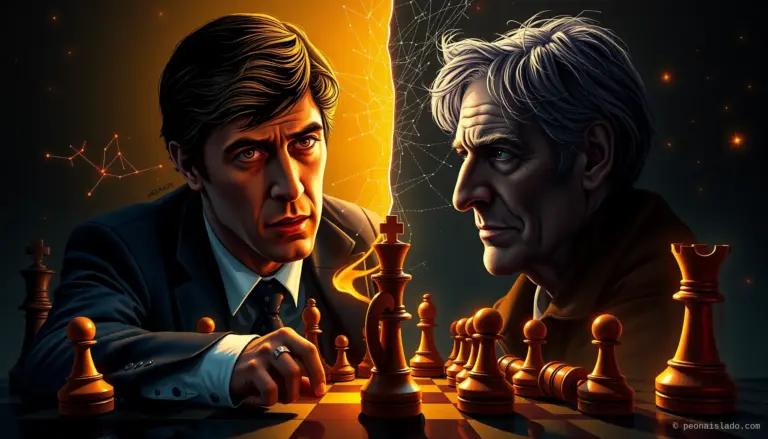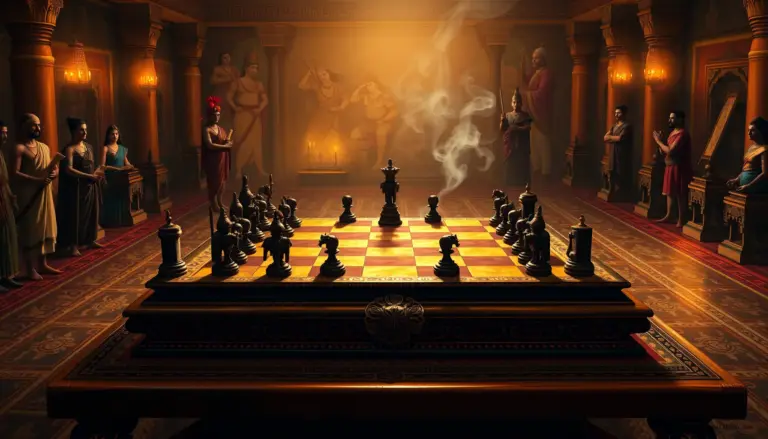
Chess has been an intellectual battlefield for centuries., where strategists, geniuses and enthusiasts face each other on a board 64 casillas. However, in the digital age, This ancient game is undergoing a radical transformation: their migration to the metaverse. Virtual platforms, customizable avatars, Real-time global tournaments and the integration of technologies such as augmented reality and NFTs are redefining not only how the game is played, but also how chess is experienced. Is the metaverse the next setting where the most epic games will be played?? Or is this a fad that will dilute the essence of the game? In this article, We will explore how the convergence between chess and the metaverse is creating new opportunities, challenges and dynamics that could forever change the way we understand this mental sport.
The metaverse as a new game board
The metaverse is not just a futuristic concept, but an expanding reality that already houses interactive experiences in multiple industries. In the case of chess, platforms like Chess.com, Lichess y Decentralized have begun experimenting with immersive virtual environments where players can compete in three-dimensional spaces, interact with other users through avatars and participate in tournaments with prizes in cryptocurrencies or digital assets. Unlike traditional 2D boards, the metaverse allows for a more social and visually engaging experience, where the game becomes a community event.
A notable example is the Chess World Cup en Decentraland, celebrated in 2022, where the participants not only played games, but also explored a thematic virtual world, attended conferences with grandmasters and purchased unique chess pieces as NFTs. This fusion between gaming and the digital economy opens the door to a model where players can monetize their skills, something unthinkable in traditional chess. However, This evolution also raises questions: Will chess lose its tactical essence by prioritizing immersive experience over strategic depth?
The technology behind virtual chess
For chess to thrive in the metaverse, technological advances are required that go beyond conventional game engines. Current platforms integrate artificial intelligence (IA), blockchain y virtual reality (VR) to create unique experiences. For example, AI is not only used to analyze games, but also to generate virtual opponents with customized play styles, from aggressive to positional, adapting to the level of the player.
The blockchain, for his part, allows tokenization of chess-related assets, like historical pieces, exclusive tournaments or even legendary moves. Companies like ChessNFT They already sell NFTs of famous games, like the “Game of the Century” between Bobby Fischer and Boris Spassky. This not only adds a collectible component, but also democratizes access to chess history, allowing fans to own a digital fragment of her.
The virtual reality take immersion one step further, allowing players to feel as if they were in front of a physical board. Devices like Meta Quest o HTC Vive They already offer experiences where users can manipulate the pieces with hand gestures, observe the board from different angles and even interact with other players in a 3D environment. Nevertheless, this technology still faces challenges, such as latency in movements or visual fatigue, that could affect the competitive experience.
The impact on the chess community
The arrival of chess to the metaverse is generating a division in the community. On the one hand, there are the purists, who argue that the game should stay true to its roots, without technological distractions that divert attention from the strategy. On the other, Innovation enthusiasts see the metaverse as an opportunity to attract new generations and revitalize interest in chess., especially among young people accustomed to video games and social networks.
A study of Chess.com revealed that, from integrating social features into your platform, the number of active players under 25 years increased 30% in 2023. This suggests that the metaverse is not only changing how the game is played, but also who plays it. Besides, The possibility of participating in global tournaments without geographical barriers has allowed players from countries with less chess tradition, like India or Brazil, compete at the highest level.
However, ethical concerns also arise. Monetizing chess through NFTs and cryptocurrencies could exacerbate inequalities, creating a gap between those who can afford to invest in digital assets and those who cannot. In addition, dependence on technology could distance players from the analog essence of the game, where silence and concentration are key.
The future of chess: towards a hybrid sport?
Chess in the metaverse is not a simple adaptation, but a reinvention that could define your future. The trend points towards a hybrid model, where the physical and the digital coexist. For example, tournaments like Chess Olympiad They already combine in-person games with broadcasts on virtual platforms, allowing millions of viewers to follow games in real time with interactive analysis and expert commentary.
Another possibility is the creation of professional leagues in the metaverse, where players compete for million-dollar contracts, sponsorships and broadcast rights. Companies like Twitch y YouTube Gaming They are already investing in chess content, and the metaverse could be the next step to turn this sport into a massive spectacle. Imagine a tournament where spectators not only watch the game, but also interact with the players, bet in real time or even influence the development of the game through voting.
Nevertheless, This future also depends on how technical and ethical challenges are resolved.. The cyber security will be crucial, since virtual tournaments are vulnerable to hacking or cheating using bots. Besides, the regulation of digital assets in chess is still in its infancy, which could generate legal conflicts regarding the intellectual property of the items or pieces.
Conclusions: A new chapter or a dead end?
Chess in the metaverse represents one of the most fascinating and controversial evolutions in the history of the game.. On the one hand, offers unprecedented opportunities: democratizes access, attracts new audiences and creates innovative economic models. On the other, poses risks that could alter its essence, such as excessive commercialization or the loss of strategic depth in favor of spectacularity.
The truth is that the metaverse is no longer a distant promise, but a reality that is transforming industries, and chess will not be the exception. Its future will depend on how the chess community balances innovation with tradition. If it manages to preserve the tactical and analytical essence of the game while exploring new digital frontiers, the metaverse could become the stage where the next pages of chess history are written. Otherwise, runs the risk of becoming an ephemeral experiment, where technology overshadows the magic of a game that has challenged humanity for centuries.
One thing is for sure: the board is no longer limited to 64 casillas. Now, the battlefield is infinite, and the pieces are ready to move in a new game where strategy and technology are intertwined like never before.