
Flow in chess: why do you lose track of time
Discover how chess induces the state of flow, alters the perception of time and transforms the mind into a game.
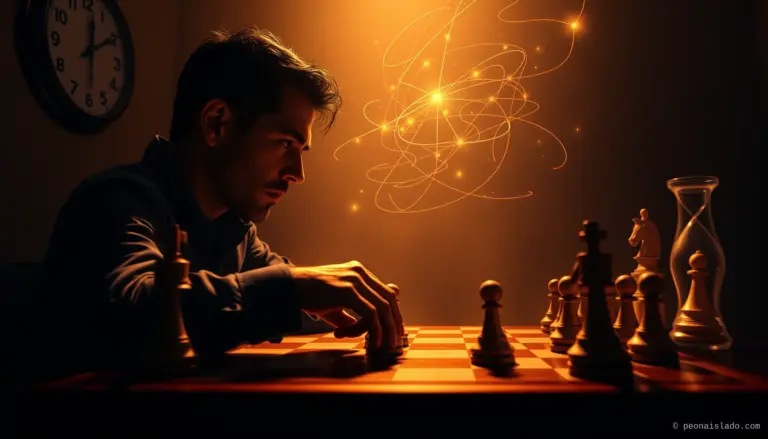
Discover how chess induces the state of flow, alters the perception of time and transforms the mind into a game.
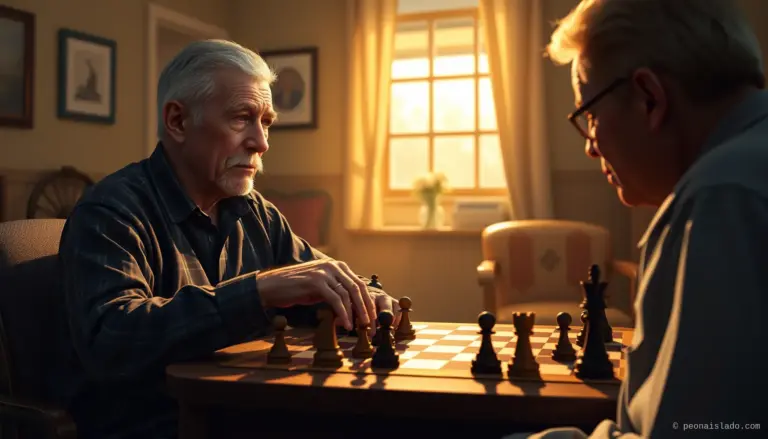
How therapeutic chess helps veterans rebuild their minds and regain calm after trauma.
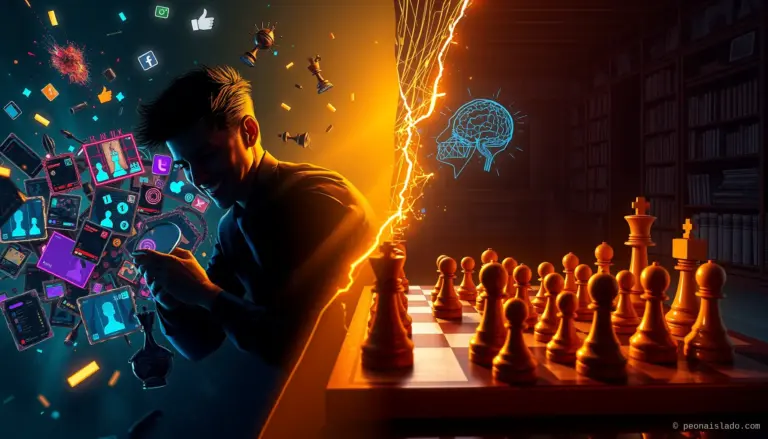
We analyze whether viral challenges improve your chess or only offer instant gratification without strategic depth.
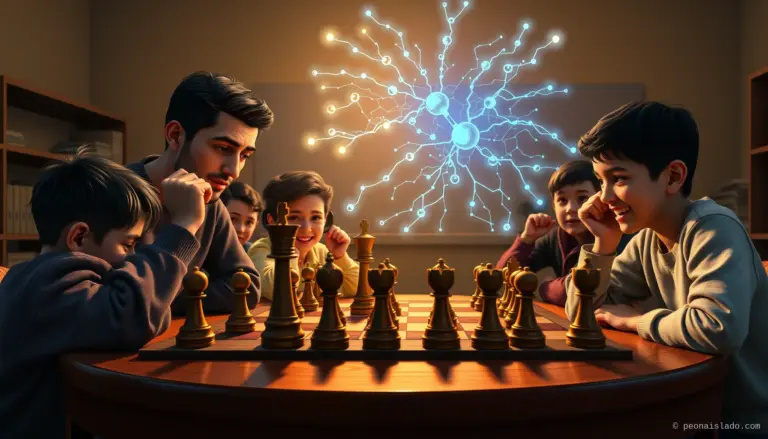
Discover how chess improves cognitive skills, emotional and social in students, backed by science.
Discover how solving tactical problems strengthens your calculation, memory and mental endurance in chess and beyond.
Discover techniques to memorize endings with creativity, science and play, transforming learning into an intellectual adventure.
Discover how center control in chess improves your memory, learning and strategy, transforming your game and mind.
Discover how chess during pregnancy can shape the fetal brain and enhance strategic skills from the womb.
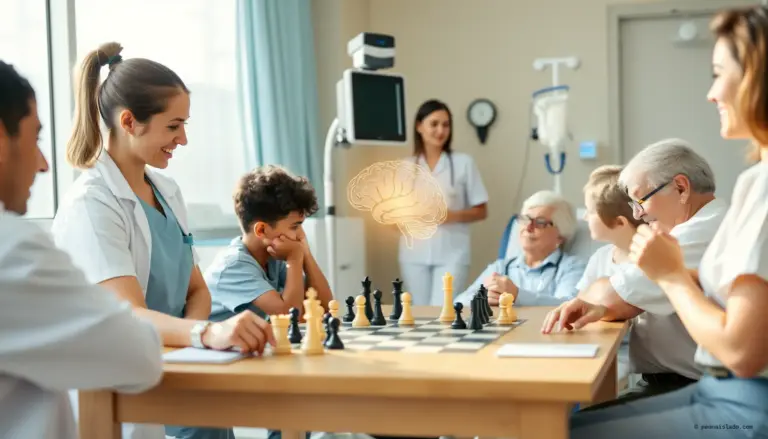
Chess in clinics and health centers improves cognition, emotions and recovery. Science and real cases prove it.
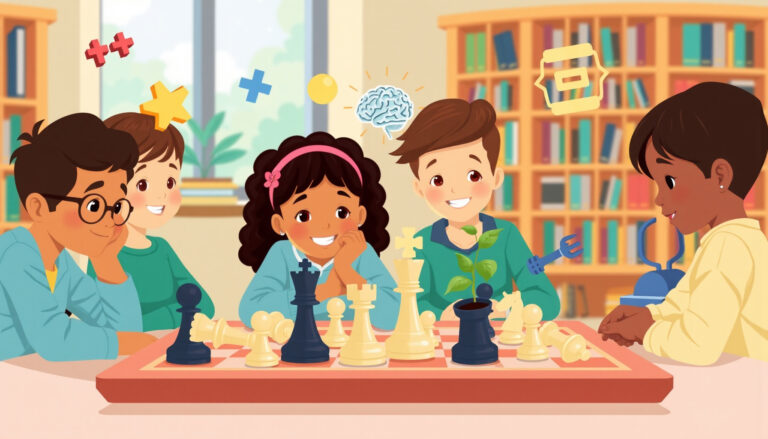
Discover how chess enhances cognitive and emotional skills to achieve better grades in children.
How chess shapes the minds of leaders: decision making, competitive psychology and long-term planning.
We analyze why chess stands out as the most competitive mental sport, comparing it to go, poker and others.