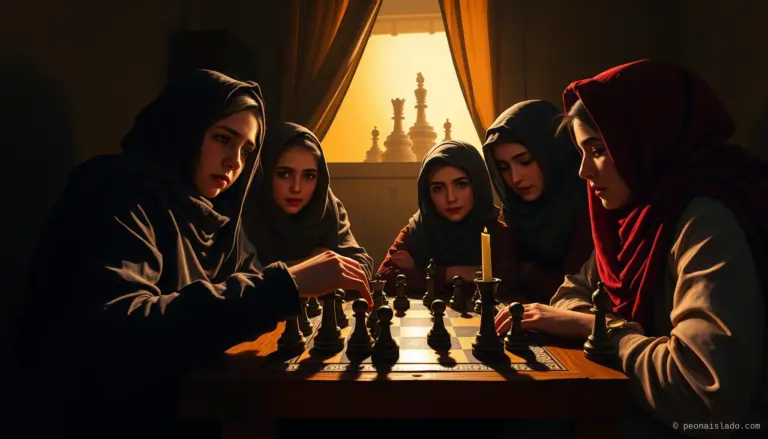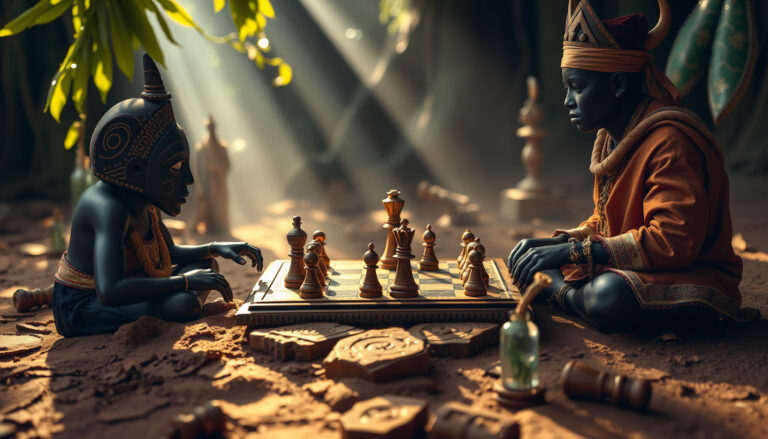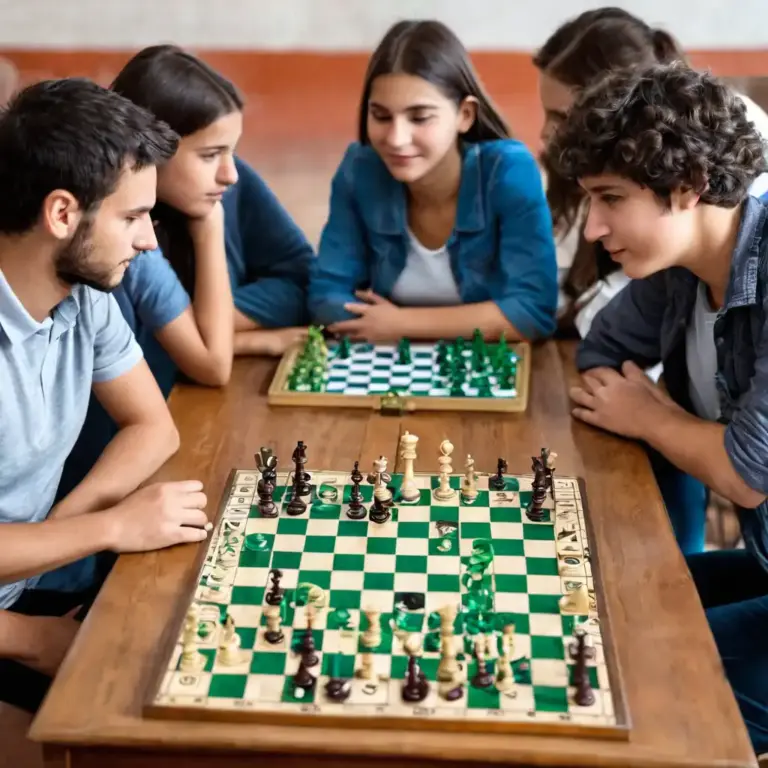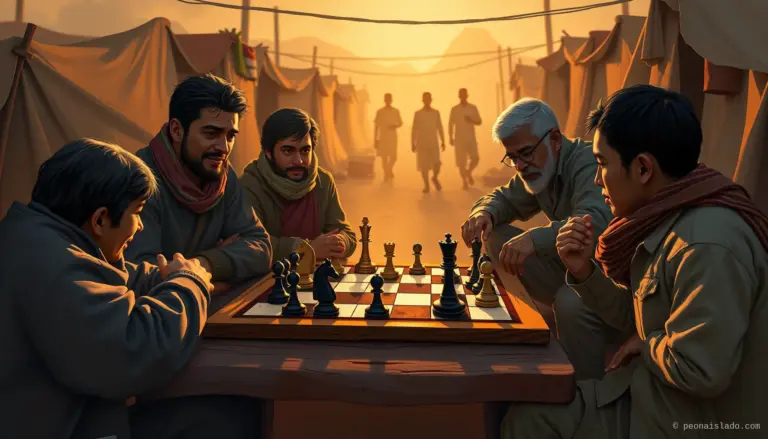
chess, that ancient game of strategies and silences, has been the subject of a debate that transcends 64 board squares: is it an olympic sport? The question seems simple, but the answer is tangled in definitions, interests and a controversy that has been unresolved for decades. While some argue that its inclusion in the Olympic Games is a deserved recognition of its mental and physical demands, Others insist that chess lacks the essential elements that define a sport.. The truth is that, beyond the classifications, Chess has proven to be a global phenomenon that defies categories, unites cultures and redefines the limits of human competition. But, Why is it still not an official part of the Olympic program?? What obstacles remain and what future awaits you??
To understand this controversy, it is necessary to delve into the criteria of the International Olympic Committee (COI), explore the arguments for and against, and analyze how chess has evolved to adapt—or resist—the demands of the modern era. Since its recognition as a mental sport by the International Chess Federation (FIDE) to efforts to prove their physical legitimacy, chess has played a complex game, where every move counts. And although the checkmate has not yet come, the pieces are in position.
Chess and the Olympic definition: where does it fit?
The International Olympic Committee (COI) establishes clear criteria for a discipline to be considered an Olympic sport. According to your letter, a sport must meet requirements such as having a recognized international federation, be practiced in at least 75 countries and four continents (for men) o 40 countries and three continents (for women), y, above all, involve a significant physical component. This is where chess clashes with Olympic tradition. While sports such as athletics or swimming exhibit obvious physical effort, chess focuses on the mind, strategy and psychological resistance. Is this enough to be considered sport?
FIDE, world governing body for chess, has fought for years for inclusion in the Olympic Games. In 1999, The IOC officially recognized chess as a sport, a crucial step that opened the door to their possible participation. However, This recognition does not guarantee its presence in the Olympic program. The IOC demands, besides, that discipline demonstrates a “olympic value” that transcends the competitive, something that chess has attempted to prove through its ability to unite cultures, promote education and even save lives in therapeutic contexts. But skepticism persists. Can a game that does not require physical strength or speed be as demanding as a traditional sport??
Chess advocates argue that the definition of “sport” must evolve. In a world where artificial intelligence and cognitive skills gain relevance, Chess represents the pinnacle of mental competition. Scientific studies have shown that playing chess activates areas of the brain related to memory, planning and decision making, and that elite players can burn up 6,000 calories in a high level tournament due to stress and extreme concentration. However, These arguments clash with the traditional perception of what constitutes a sport.. For many, chess is still a “game”, a category that, although respectable, does not reach Olympic status.
The battle for legitimacy: arguments for and against
The debate about whether chess is an Olympic sport is divided into two sides with well-defined positions. On the one hand, There are those who defend its inclusion, highlighting its competitive rigor, its global reach and its ability to develop valuable skills. On the other, there are the skeptics, who question its lack of physical component and see it as an intellectual activity closer to art or science than to sport.
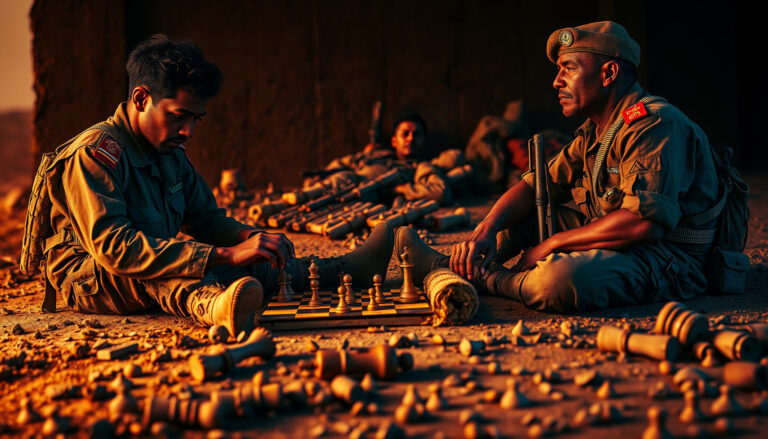
The arguments in favor of its inclusion are compelling.. Chess is practiced in more than 180 countries, with millions of players registered in FIDE. Tournaments like the World Chess Championship or the Candidates Tournament attract massive audiences, comparable to traditional sports. Besides, Chess has proven to be a powerful tool for education and social inclusion. In countries like Armenia, It is a compulsory subject in schools, and in places like Colombia or the Democratic Republic of the Congo, used to rehabilitate child soldiers and promote peace. These examples show that chess goes beyond competition: It is a vehicle of social transformation.
However, Detractors point out that chess lacks an essential element in Olympic sports: physical effort. Although elite players experience extreme mental exhaustion, this does not translate into sweat, muscular strength or endurance. For the IOC, This is an insurmountable obstacle.. Besides, Some critics argue that chess does not generate the same spectacle as sports such as football or basketball., which hinders its appeal to mass audiences. Although platforms like Twitch and Netflix have helped popularize chess in the digital age, Its slow pace continues to be a challenge for traditional television.
Another point of controversy is the subjectivity in performance evaluation.. While in sports such as athletics or swimming the results are objectives (time, distance, points), In chess, victory depends on the interpretation of an arbiter and, in some cases, of luck. This has led to scandals, like the famous case of Hans Niemann and Magnus Carlsen, where AI cheating allegations tarnished the game's reputation. For the IOC, transparency and impartiality are fundamental values, and chess still has work to do in this regard.
Chess at the Olympic Games: a history of failed attempts
The relationship between chess and the Olympic Games is not new. In fact, Chess has been present intermittently in Olympic history, although never as an official sport. At the Paris Olympic Games 1924, chess was included as an exhibition sport, but it was not part of the official program. This was the first and last serious attempt to integrate it into the Games, until in 2000, FIDE submitted a formal request for inclusion in Sydney 2000. The request was rejected, arguing that chess did not meet the necessary physical criteria.
Since then, FIDE has tried without success to have chess recognized as an Olympic sport. In 2018, The IOC granted chess the status of “recognized sport”, an important but insufficient step for inclusion in the Games. FIDE has responded with initiatives to demonstrate the Olympic value of chess, such as the creation of hybrid tournaments that combine in-person and digital play, or the promotion of massive events such as the World Rapid and Blitz Chess Championship, that attract thousands of spectators. However, the IOC remains reluctant to include it in the official program, prioritizing sports with greater media and physical impact.
One of the biggest obstacles for chess is the saturation of the Olympic program. With more than 300 events at the Tokyo Games 2020, the IOC has been cautious when it comes to adding new disciplines. Besides, chess competes with other mental sports, like bridge or go, who also seek their place in the Games. For many, chess has an advantage: its global reach and its ability to attract young audiences through digital platforms. But this has not been enough to convince the IOC, that continues to prioritize sports with a longer Olympic tradition and a more evident physical component.
The future of chess: Towards the Olympic Games or a path of one's own??
Faced with resistance from the IOC, chess has explored alternatives to consolidate itself as a global phenomenon. One of them is the creation of their own elite events, como el Grand Chess Tour o el Champions Chess Tour, that offer million-dollar prizes and attract the best players in the world. These tournaments have shown that chess can be a profitable and attractive spectacle., even without Olympic support. Besides, The pandemic accelerated the digitalization of chess, with platforms like Chess.com and Lichess recording user records and online games. This has allowed chess to reach younger and more diverse audiences., something the IOC values in its quest to modernize the Games.
Another strategy has been the promotion of chess as an educational and social tool.. In countries like Spain, Mexico and Argentina, Chess has been integrated into the study plans as an optional subject, with positive results in the cognitive development of students. Initiatives like “Chess in Schools” have shown that the game can improve skills such as concentration, memory and problem solving, values that the IOC promotes in its agenda “sport for development”. If chess manages to position itself as an essential discipline for the training of new generations, could win arguments for inclusion in the Games.
However, The road to the Olympic Games is not without challenges. Chess must show that it can be an inclusive sport, transparent and attractive to mass audiences. This means fighting fraud, promote gender equality and adapt to television formats. Besides, must convince the IOC that its mental component is as valuable as the physical, something that will require a paradigm shift in the definition of sport. Meanwhile, chess continues to play its own game, moving pieces with patience and strategy, waiting for the right moment to give the final checkmate.
Conclusion: beyond the boxes
The controversy over whether chess is an Olympic sport reflects a deeper question: What do we value as a society?? In a world obsessed with speed, the spectacle and the physical effort, chess represents an alternative that celebrates intelligence, patience and strategy. Their exclusion from the Olympic Games is not just a matter of definitions, but a reflection of how we prioritize certain forms of competition over others. However, Chess has proven time and time again that it does not need the Olympic seal to be relevant. From the schools of Armenia to the refugee camps in Africa, Chess remains a universal language that transcends borders and cultures.
Perhaps the real challenge is not convincing the IOC that chess is a sport, but to show that sport can be much more than sweat and muscles. Meanwhile, chess will continue to advance, moving your pieces with precision, waiting for the time when the world is ready to recognize your value. Until then, the controversy will remain open, but one thing is for sure: chess has already won the most important game: that of conquering minds and hearts throughout the planet.