
The world chess champions who changed history
Discover how Steinitz, Lasker, Fischer and other geniuses transformed chess with their strategic and cultural legacy.
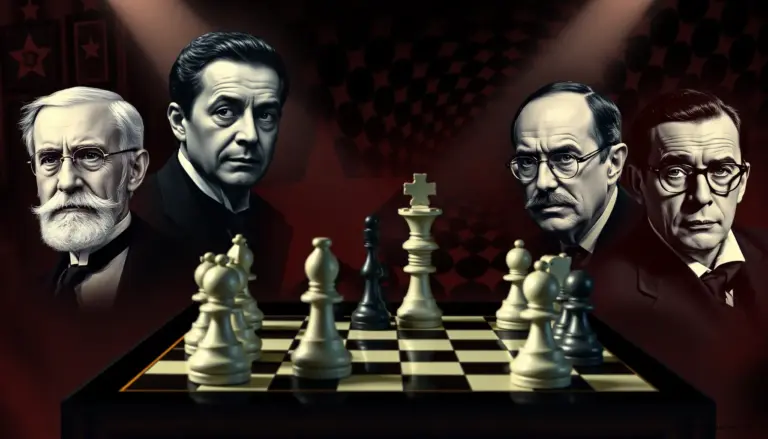
Discover how Steinitz, Lasker, Fischer and other geniuses transformed chess with their strategic and cultural legacy.
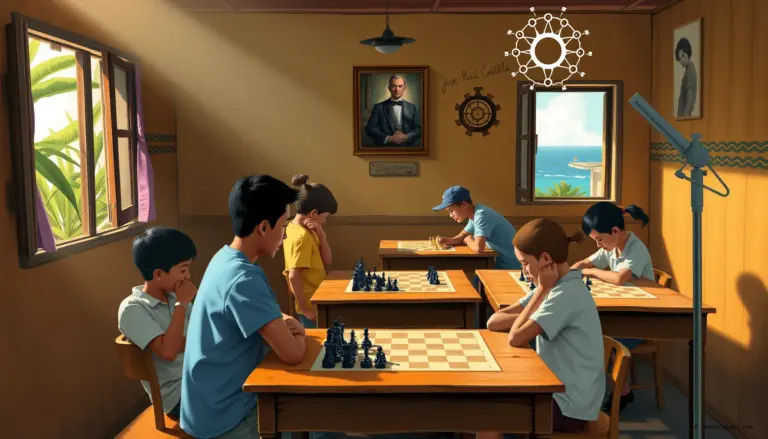
Discover how Cuba, with limited resources, formed a chess school that combines science, creativity and social resistance.
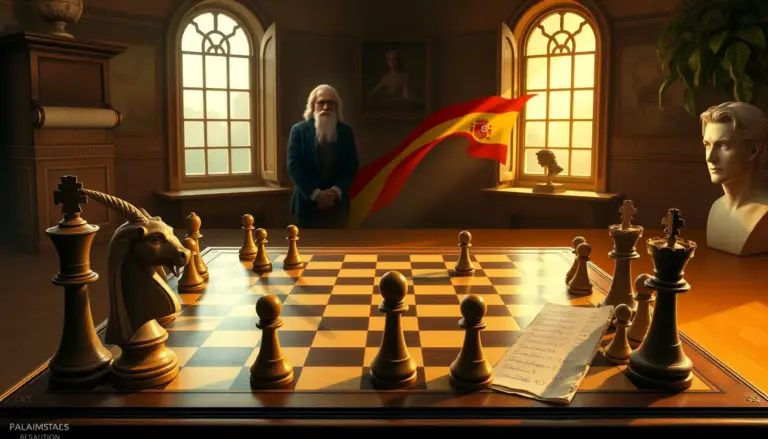
Discover how Spain transformed chess into a strategic art, from Ruy López to the Spanish Defense.
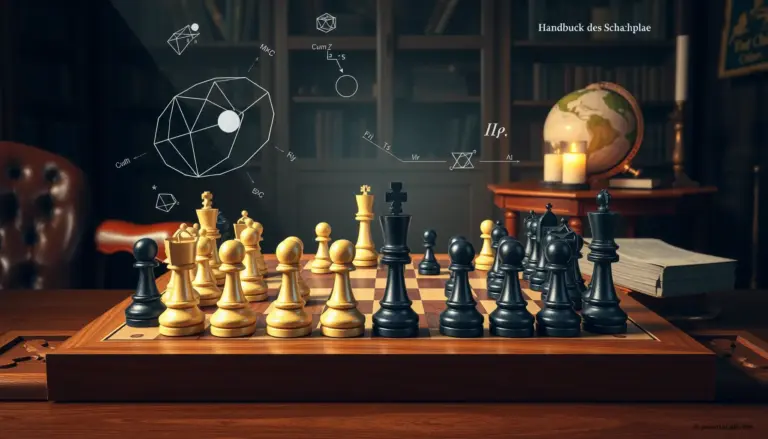
Discover how precision, Deep analysis and pawn structure defined the German strategic legacy in chess.
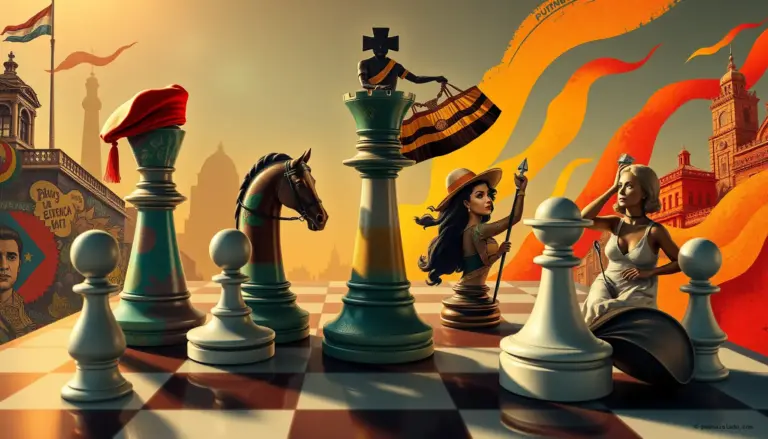
Discover how Latin America transformed chess into a symbol of freedom, innovation and social struggle.
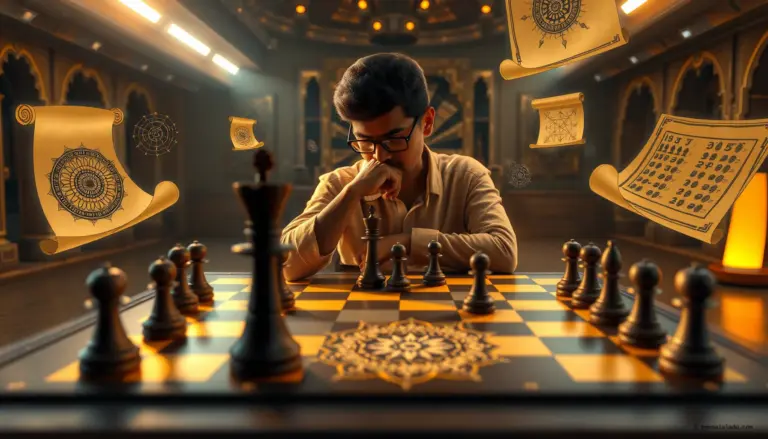
Discover how India transformed chess into a strategic training system and its global impact.
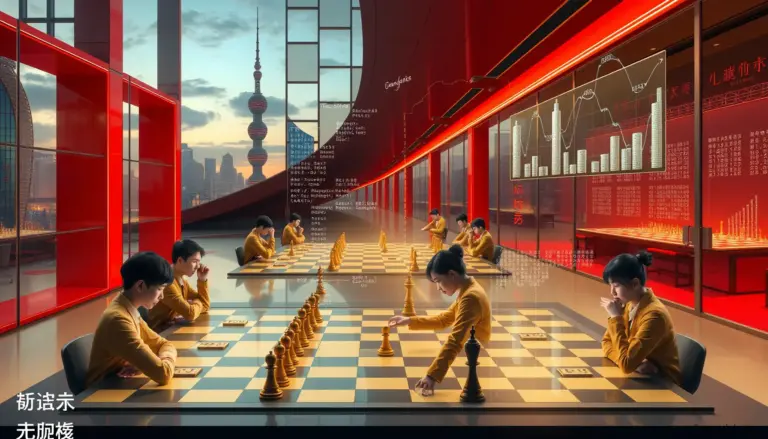
Discover how China transformed chess with science, discipline and collective mentality to challenge traditional powers.
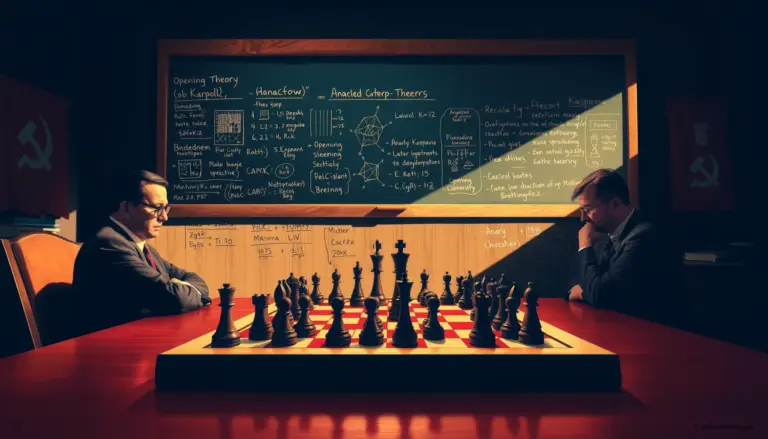
Discover the scientific method, discipline and legacy of the Russian School that trained champions like Karpov and Kasparov.
Find out what the fall of Lichess means, how to adapt and alternatives to continue playing and improving in chess without depending on a single platform.
Discover how chess encourages creativity and disruptive thinking to solve problems inside and outside the game.
Discover why Czech master Josef Pribyl showed that chess theory is the basis of creativity and mastery.
Find out who leads the FIDE ranking in 2025 and what it means to master chess in the age of AI and geopolitics.
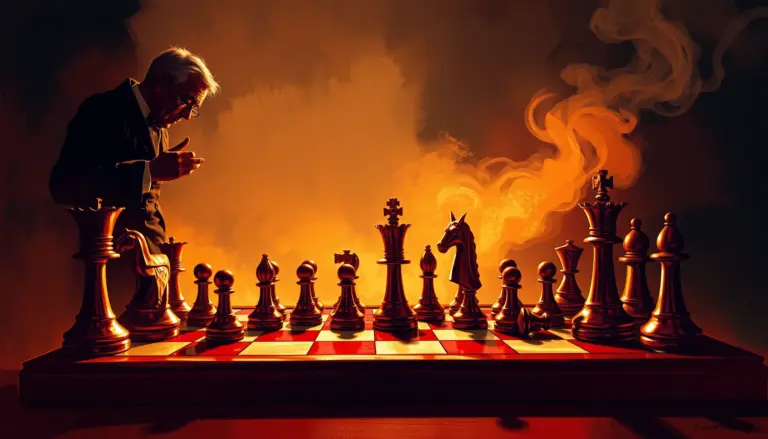
Discover how Spielmann challenged modern chess with gambits and sacrifices, redefining play as art.
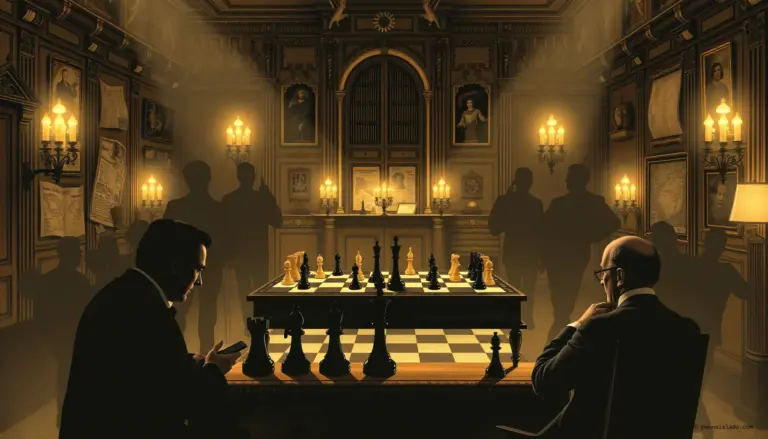
Discover how the Hastings tournament redefined modern chess, fusing innovation, strategy and culture in a historical milestone.
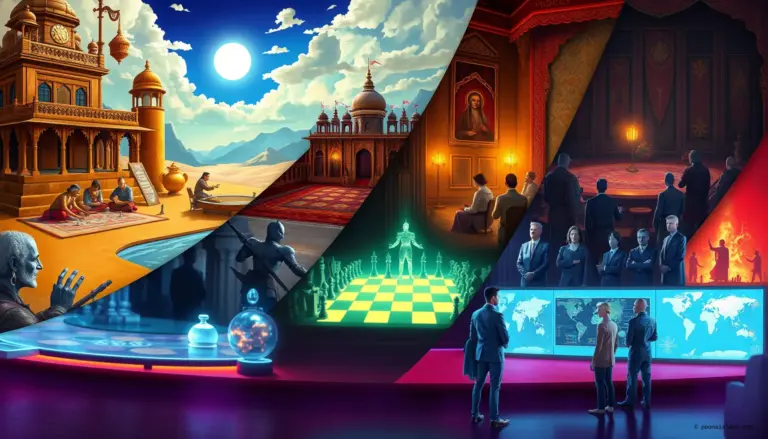
Discover how chess has shaped empires, wars and cultures from ancient India to today.
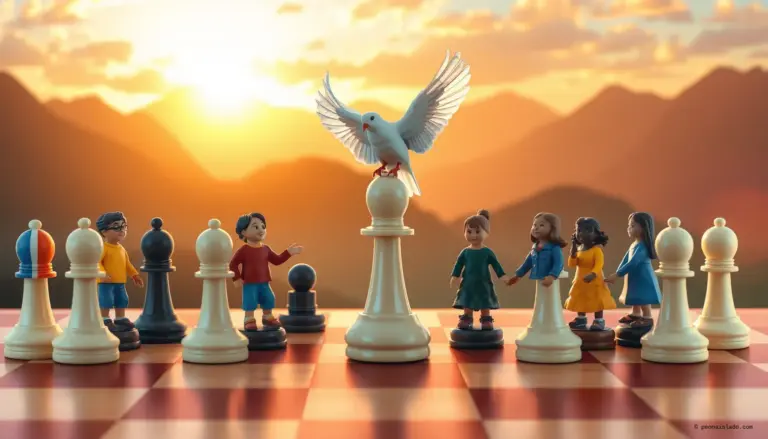
Chess as a tool for intellectual freedom
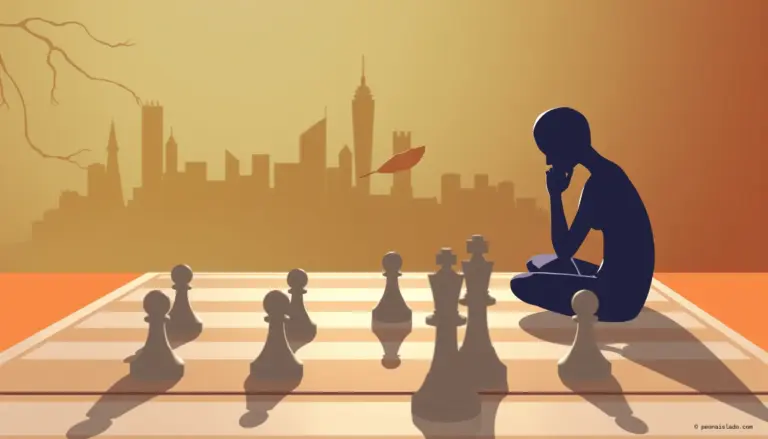
How chess reduces stress, improves mental health and offers lessons for coping with uncertainty.
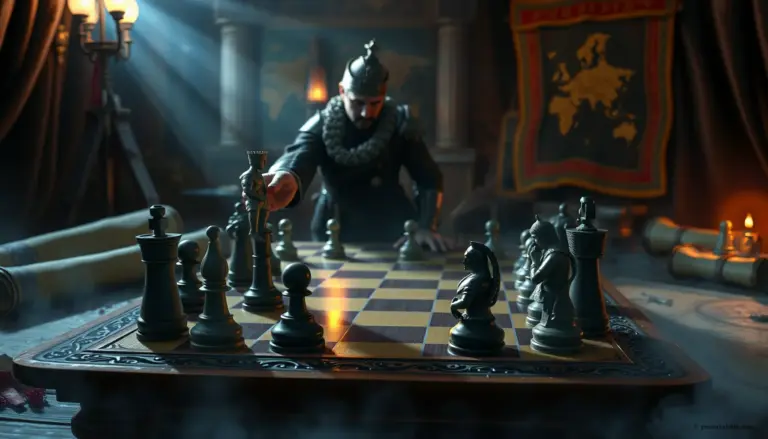
Discover why armies from Persia to today use chess to train strategists, leaders and tactical minds in war.
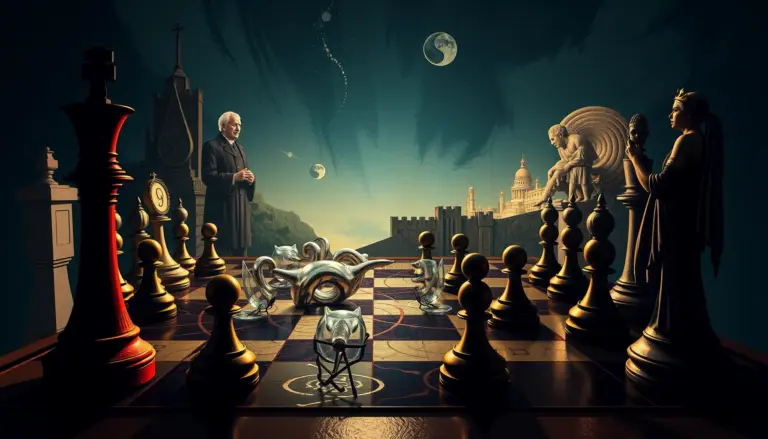
Philosophers like Marco Aurelio and Borges used chess to reflect on power, freedom and the human condition.
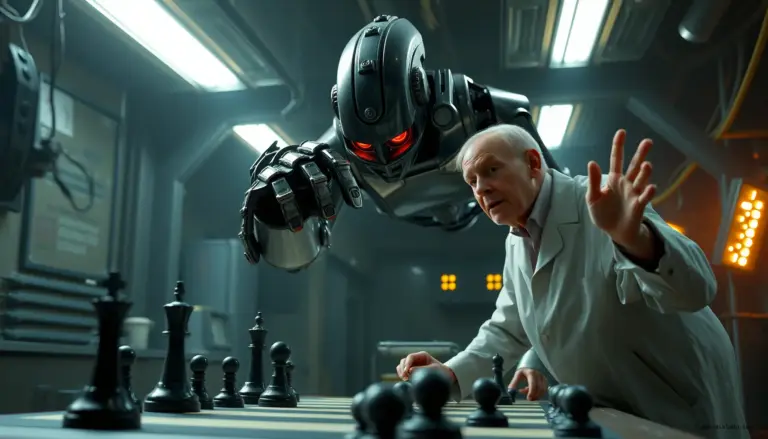
The Soviet incident that revealed the dangers of AI in chess and its impact on current technological ethics.
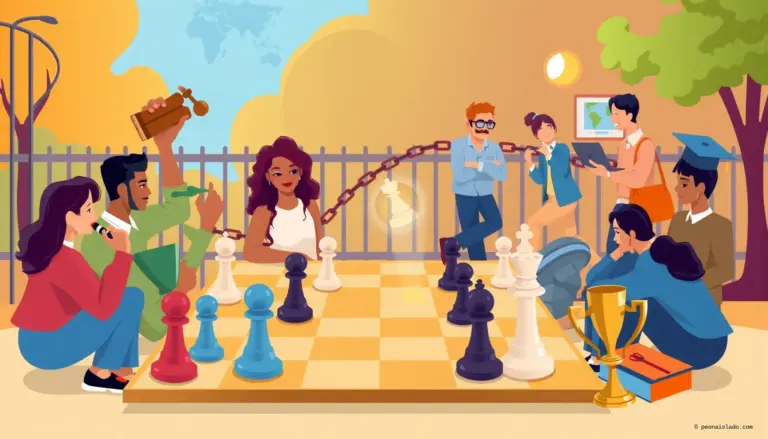
Discover why chess breaks economic barriers, geographical and social, rewarding only talent and effort.
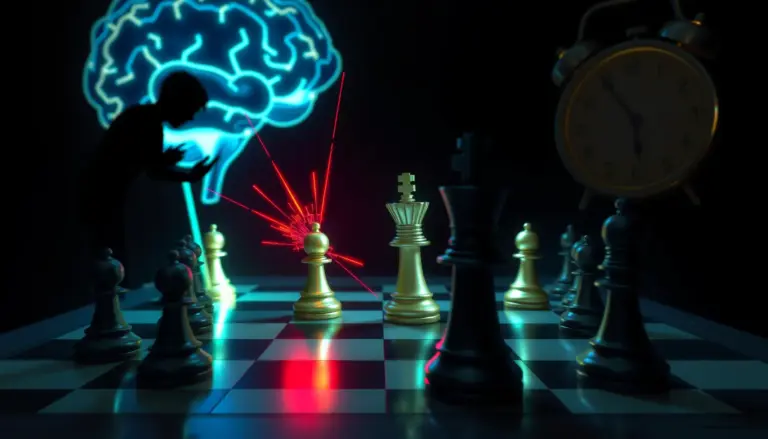
Discover the 5 mental biases that distort your chess without you noticing and how to master them to play better.
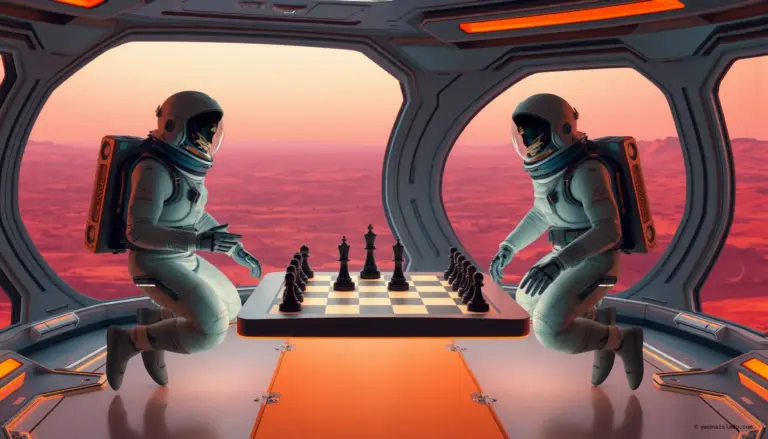
How chess could be key to mental health and science on missions to Mars.
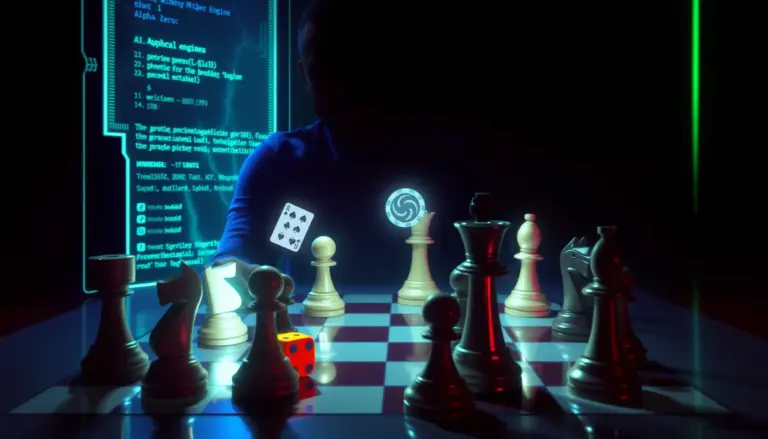
Explore if it is possible to win at chess without knowledge, using technology, psychology or unconventional strategies.