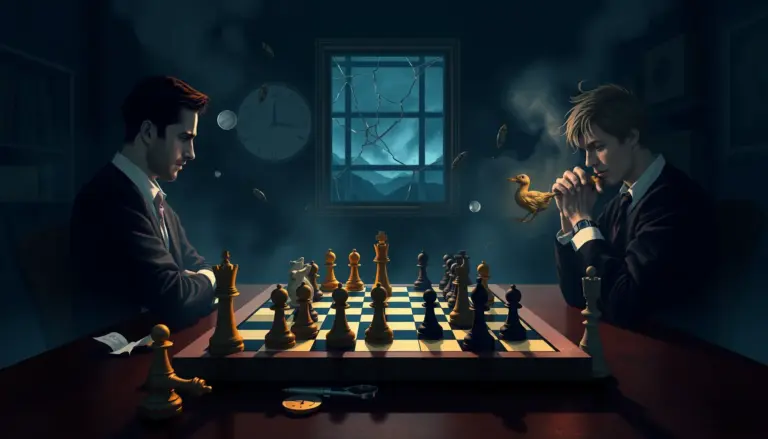
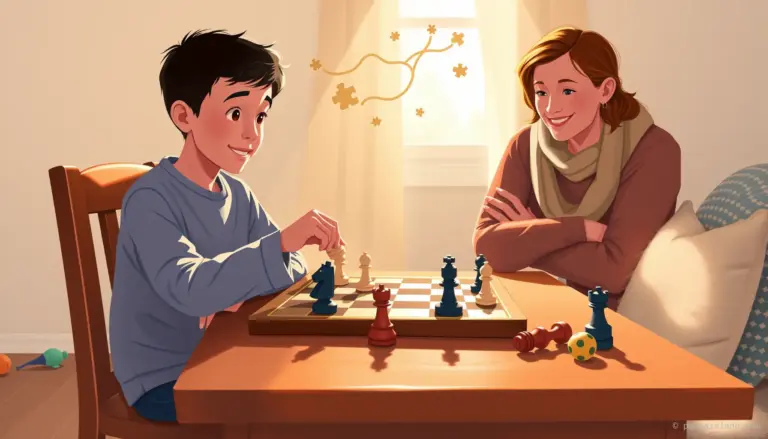
Chess is not just a strategy game; It is a mirror of the human mind. Each game reflects not only our tactical skills, but also our ability to manage emotions, resist pressure and, above all, learn from mistakes. However, There is a phenomenon that stalks players of all levels: he tilt. This state of frustration, Anger or discouragement after a defeat can turn an enriching experience into a cycle of self-destruction.. How to prevent a bad game from ruining your progress? The answer is not on the board, but in psychology and the habits we build out of it.
He “tilt” in chess: more than an emotion, a strategic enemy
He tilt It is not exclusive to chess. In the world of video games and poker, This term describes a mental state in which loss of emotional control leads to irrational decisions.. in chess, manifests itself when, after a defeat, the player begins to make basic mistakes, to underestimate your rival or, even worse, to abandon games with balanced positions. But, why does it happen?
Neuroscience offers a clue: the human brain is programmed to look for patterns and avoid pain. A defeat activates the same brain regions that process social rejection, which explains why it hurts so much. However, the problem is not feeling frustration, but to allow this emotion to dictate our actions. Great masters like Magnus Carlsen have shown that winning mentality It is not built by avoiding defeats, but learning to manage them. Carlsen, For example, He is known for his ability to remain calm even in seemingly lost positions., a skill that goes beyond the technical and delves into the psychological.
He tilt not only affects immediate performance; It can also create a domino effect on player confidence.. Studies in sports psychology show that athletes who fail to manage frustration tend to develop anticipatory anxiety, that is to say, fear of repeating mistakes. in chess, This results in players avoiding complex positions or, paradoxically, they become too cautious, limiting your creativity. The solution is not to suppress emotions, but channel them in a productive way.
The paradox of defeat: why losing is the best teacher
In a culture obsessed with success, defeat is often seen as failure. However, in chess, like in life, defeats are inevitable and, even more important, necessary. Every lost game is an opportunity to identify weaknesses, whether tactics, strategic or psychological. The problem arises when the player interprets the defeat as a reflection of his personal value., instead of seeing it as a step in the learning process.
A paradigmatic example is that of Garry Kasparov. After their historic defeat against Deep Blue in 1997, Kasparov did not fall into tilt. Instead, analyzed every movement meticulously, identifying not only technical errors, but also the moments in which their emotional state influenced their decisions. This approach allowed him to come back stronger, proving that resilience is not innate, but a skill that is cultivated. As the article on how to analyze games, True progress begins when we stop blaming the rival, to time or luck, and we take responsibility for our mistakes.
The key to turning defeats into lessons lies in adopting a growth mindset, a concept developed by psychologist Carol Dweck. in chess, This means understanding that skills are not fixed., but can be developed with practice and reflection. Players who adopt this mentality not only improve faster, but they also enjoy the process more, regardless of the result. The defeat, so, stop being an enemy and become an ally.
Habits that shield the mind: routines to avoid “tilt”
The psychology of chess is not limited to what happens during the game. Pre- and post-habits are equally crucial to maintaining emotional balance.. A structured routine It can make the difference between a clear mind and a mind clouded by frustration.. These are some habits backed by science and the experience of great teachers:
- Physical and mental preparation: Chess is a mental sport, but the body influences performance. Studies show that aerobic exercise improves concentration and reduces stress. Players like Hikaru Nakamura incorporate yoga or running into their daily routine to maintain mental clarity. Besides, breathing techniques such as box breathing (inhale, retain, exhale and pause, each for four seconds) They can help regulate emotions before a game.
- Positive visualization: Before competing, it is useful to visualize not only tactical movements, but also adverse scenarios. Imagining how you would react to a defeat or a serious mistake prepares you to handle those situations calmly.. This method is widely used in elite sports and has been adopted by chess players such as Viswanathan Anand..
- Post-game analysis without destructive self-criticism: After a defeat, The first impulse is usually to find culprits or minimize the error.. However, The analysis must be objective and constructive. An effective technique is to divide the analysis into three phases: identify the critical error, understand why it happened (was it tactical, strategic or psychological?) and propose a concrete solution. Tools like analytics engines can be helpful, but it is crucial not to depend exclusively on them, since real learning occurs when the player reflects on their own decisions.
- Disconnection routines: Chess can be addictive, especially in the digital age, where platforms like Lichess or Chess.com allow you to play quick games at any time. However, overexposure can lead to mental fatigue. Set limits, How not to play more than two games in a row without a break, or dedicate time to other creative activities, helps maintain mental freshness.
These habits not only prevent tilt, but they also improve the calculation capacity and decision making under pressure. Consistency is key: as in any discipline, the results are not immediate, but over time, These small changes translate into a more resilient mindset.
The power of community: How the environment influences your psychology
Chess is a solitary game on the board, but the community that surrounds you can be a determining factor in emotional management. Players who isolate themselves after defeats tend to fall into spirals of self-criticism, while those who share their experiences with others find valuable perspectives. Platforms like Twitch or specialized forums have democratized access to this type of support, allowing players of all levels to interact with teachers and learn from their mistakes.
An inspiring example is that of the prison chess programs. In these environments, The game not only serves as a rehabilitation tool, but also as a space to rebuild self-esteem. Inmates who participate in these programs learn to manage frustration, to work as a team and see chess as a metaphor for life: even in the worst positions, There is always a play that can change the course. This community approach shows that chess, when practiced in a supportive environment, can be a powerful tool for personal transformation.
For amateur players, Joining a local club or participating in in-person tournaments can be equally beneficial.. Face-to-face interaction with other chess players creates a sense of belonging and reduces the feeling of loneliness that sometimes accompanies defeats.. Besides, Observing how others manage their emotions during games offers valuable lessons. As the great teacher Yasser Seirawan said: “Chess is a game of mistakes. The winner is simply whoever commits the penultimate”.
From theory to practice: strategies to apply today
Understand the psychology of tilt It's just the first step. The real test is in applying this knowledge in the heat of the game. Here are some concrete strategies to implement immediately:
- The rule of 10 minutes: After a defeat, avoid making immediate decisions. Tomato 10 minutes to walk, drink water or just breathe deeply. This brief break allows intense emotions to dissipate and the mind to regain clarity.. Studies in cognitive psychology show that even short pauses can improve decision making in a 20%.
- The game diary: Keep a written record of your games, including not only the movements, but also your emotions and thoughts during the game, can reveal hidden patterns. For example, You might find that you tend to make more mistakes when playing with little time or that certain openings make you anxious. This self-knowledge is the basis for working on your weaknesses..
- He “emotional checkmate”: When you feel that the tilt is about to take over you, use a trigger physical to interrupt the cycle. It could be squeezing a stress ball., drink a sip of water or even quietly say a key word like “reset”. This small gesture acts as an anchor, bringing you back to the present and preventing frustration from clouding your judgment.
- The approach of the “three whys”: When you make a serious mistake, ask yourself three times “because?” to get to the root of the problem. For example:
- Why did I lose that piece?? Because I didn't see the rival's attack.
- Why didn't I see it? Because I was focused on my own plan.
- Why was I so focused on my plan?? Because I didn't evaluate the position correctly..
This exercise helps you identify if the error was tactical, strategic or psychological, and to avoid repeating it in the future.
These strategies are not magic, but its effectiveness lies in repetition. like in chess, where constant practice improves calculation and tactical vision, emotional management also requires training. The difference between a player who recovers from defeats and one who sinks into them is not in the absence of errors, but in the ability to learn from them.
Conclusion: chess as a school of life
He tilt It is not an external enemy, but a reflection of our own emotional limitations. However, These limitations are not permanent. Every match, Every defeat and every moment of frustration are opportunities to strengthen not only our game, but also our resilience. chess, in essence, It's a metaphor for life: both are full of uncertainty, mistakes and moments when it seems that everything is lost. But, just like on the board, In life there is always a move that can change the course.
The key is to adopt a growth mindset, in seeing each defeat as a teacher and in building habits that allow us to maintain clarity even in the most difficult moments. As the philosopher and chess player Emanuel Lasker said: “in chess, like in life, the most dangerous adversary is oneself”. overcome the tilt It's not about eliminating emotions, but to learn to tame them, to turn frustration into fuel and to remember that, in the end, every game is a lesson, and every lesson, a step towards mastery.
The board is ready. Are you ready to play your best game, not only against your rival, but also against your own demons?