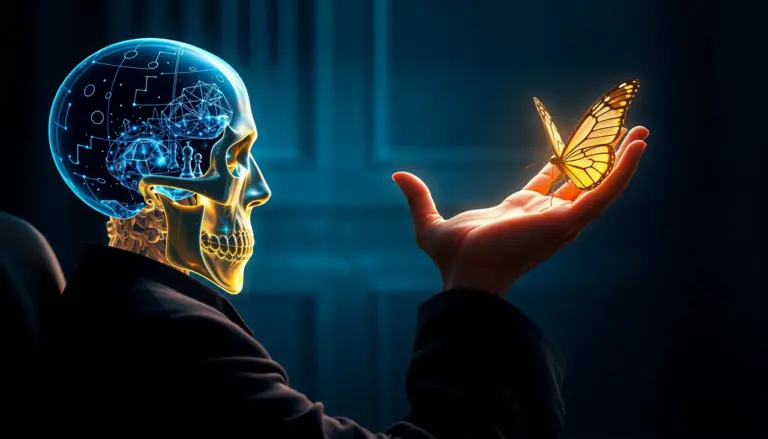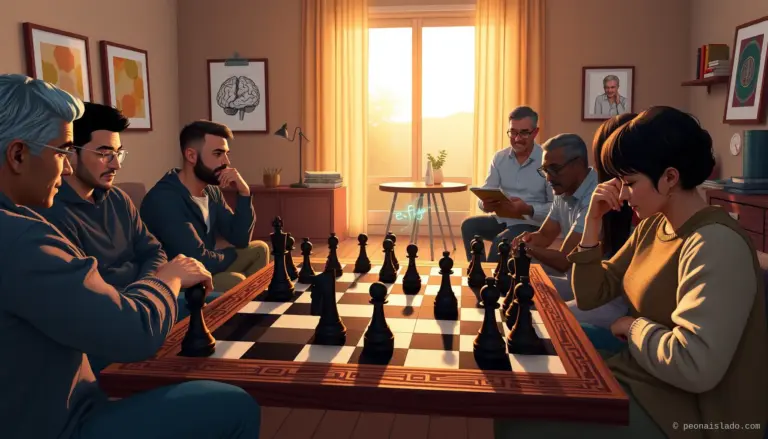
Chess is not just a game. It is a universal language that transcends borders, a ritual that unites generations and a tool of cultural resistance. When UNESCO declared chess Intangible Cultural Heritage of Humanity in 2022, not only recognized its historical value, but its ability to shape identities, heal social wounds and preserve traditions in an increasingly homogeneous world. But, What does it really mean for chess to be a heritage?? These are not museum pieces or immutable rules, but of the living essence that beats in each game: the collective memory of peoples, human creativity and strategy as an act of rebellion.
Chess as a mirror of civilizations: beyond the board
Chess was not born in a vacuum. Its evolution reflects the values, conflicts and aspirations of the civilizations that adopted it. From the Chaturanga Indian —where the pieces represented military divisions— to medieval European chess, where the Church tried to prohibit it because it was considered a “gaming”, Each game adaptation reveals deep cultural tensions. Not Persia, he shatranj became a symbol of courtly refinement, while in 13th century Spain, Alfonso X the Wise elevated it to an intellectual discipline by including it in his Chess Books, a compendium that merged science, art and strategy.
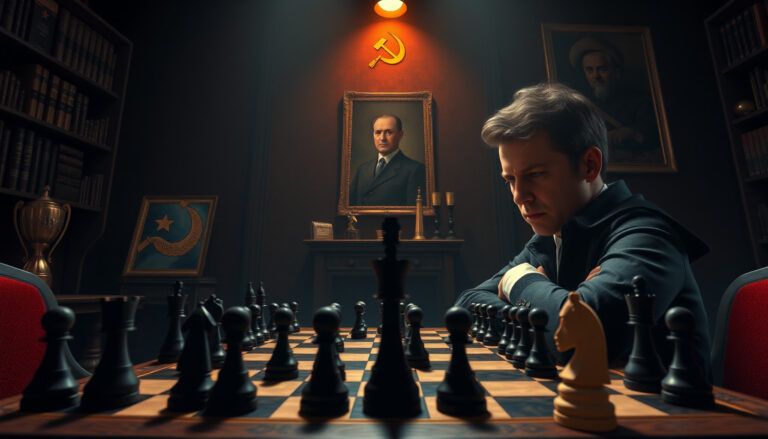
This legacy is not static. Hoy, Chess continues to be a symbolic battlefield where geopolitical conflicts are settled, as happened during the Cold war, when Fischer and Spassky turned a sporting duel into an ideological confrontation. But it is also a bridge between cultures: in conflict zones, Shared boards have served to dialogue where words fail. Is this not heritage?? It's not about preserving the past, but to understand how chess is still relevant in the present.
Rituals and resistance: when the board becomes a symbol
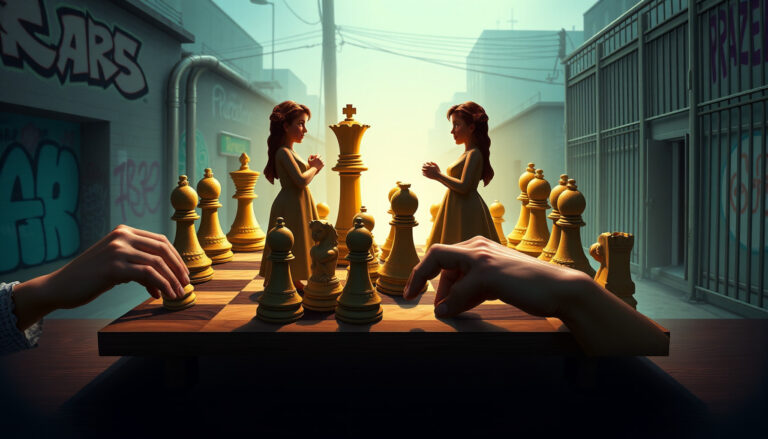
Chess is ritual before competition. In every culture, The game acquires meanings that go beyond the 64 casillas. In spiritual traditions, like the baoulé chess of the Ivory Coast, The pieces represent ancestors and natural forces, and every movement is an invocation. In contexts of oppression, like in the prisons of Latin America or under authoritarian regimes, the board transforms into a space of freedom: a place where logic and strategy defy imposed chaos.
Even in its most playful version, chess retains a ritualistic component. Los player gestures, from the ceremonial striking of the clock to the superstitions of the great masters, They are acts loaded with meaning. Kasparov always carried the same pen; Capablanca refused to play without his hat. These rituals are not simple hobbies: They are control mechanisms in a game where the mind can betray the body. The heritage, so, It doesn't just lie in the rules, but in how people interpret them, They adapt them and load them with symbolism.
Chess as a tool for social transformation
If chess is heritage, It is because it has proven to be a powerful tool for social change.. In Medellin, projects like community clubs have used the game to keep young people away from violence, teaching them that every move on the board has consequences, just like in life. In hospitals, he therapeutic chess Helps children with ADHD or autism develop concentration and social skills, while in refugee camps, an improvised board made of stones becomes a refuge of normality.
This transformative potential is what led UNESCO to recognize chess as heritage.. This is not an elitist game, but of an accessible practice that can be adapted to any context. In rural areas, Digital platforms have democratized access to gaming, while in schools in Armenia or Spain, has been integrated as a subject to improve academic performance. chess, in essence, is an equalizer: your origin doesn't matter, gender or social status; on the board, everyone starts from the same rules.
The future of heritage: between tradition and innovation
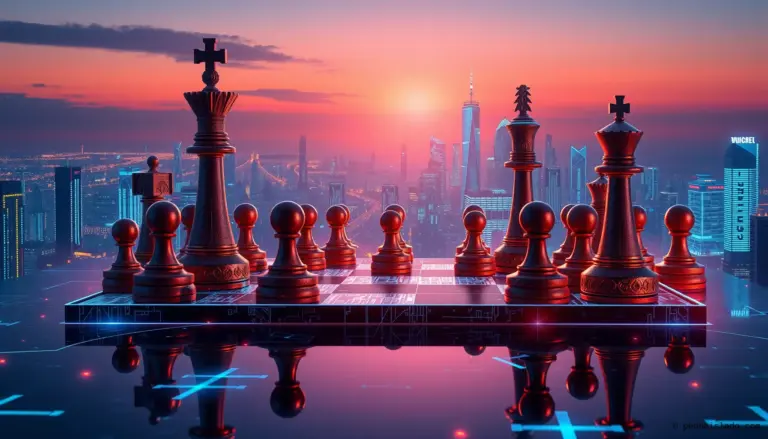
The recognition of chess as heritage poses a challenge: How to preserve its essence in a world dominated by technology? The emergence of artificial intelligence, with engines like Stockfish or AlphaZero, has revolutionized the game, but it has also generated debates about its authenticity. Is it still heritage if machines can play better than humans? The answer is to understand that chess is not just a mental sport, but a reflection of human creativity. As the article on chess and AI, machines can calculate millions of movements per second, but they lack the ability to innovate, get excited or rebel against conventions.
Besides, chess continues to evolve. In it metaverso, Players from around the world compete on virtual boards, while in cities like Baku or Medellín, tournaments are organized that combine tradition and modernity. Heritage is not frozen in time: reinvents itself. What matters is that, in every game, the spirit that made him transcend remains alive: the ability to unite, challenge and transform.
Conclusion: chess as a living legacy
Saying that chess is intangible heritage is not a simple symbolic gesture. It is recognizing that, throughout the centuries, This game has been much more than a hobby: has been a language, a gun, a comfort and a hope. In a world fragmented by conflicts and inequalities, the board continues to be a space where intelligence, creativity and resilience meet. Preserving this heritage does not mean embalming it in museums—although chess museums They hold fascinating treasures—, but to ensure that it remains accessible, relevant and transformative for future generations.
The real challenge is not to protect chess from change, but to ensure that, in its evolution, do not lose your human essence. because in the end, heritage is not the pieces or the rules, but the stories that are woven around them: that of the child who discovers his potential in a community club, that of the old man who revives memories in a game, or that of the refugee who finds a moment of peace in the midst of chaos. Chess is heritage because, in every movement, the pulse of humanity beats.